The Fitties Journal
Micro Workouts: The Short-Session Training Guide
Key Takeaways
Here's what matters most if you're short on time.
- Micro workouts (1-10 minute sessions) can produce measurable improvements in cardiovascular fitness, muscular endurance, and body composition when performed consistently.
- A 2019 meta-analysis in Sports Medicine (Murphy et al.) found that exercise accumulated in bouts of about 10 minutes across the day gives health benefits similar to the same amount done in one session.
- Micro workouts are most effective when they emphasize intensity over duration, using compound movements that engage multiple muscle groups.
- You don't need equipment, but resistance bands or a pair of dumbbells can meaningfully increase the training stimulus.
- Supplementation that supports energy production and recovery can help you get more out of every compressed session.
You don't need an hour to get a legitimate training stimulus. You might not even need ten minutes.
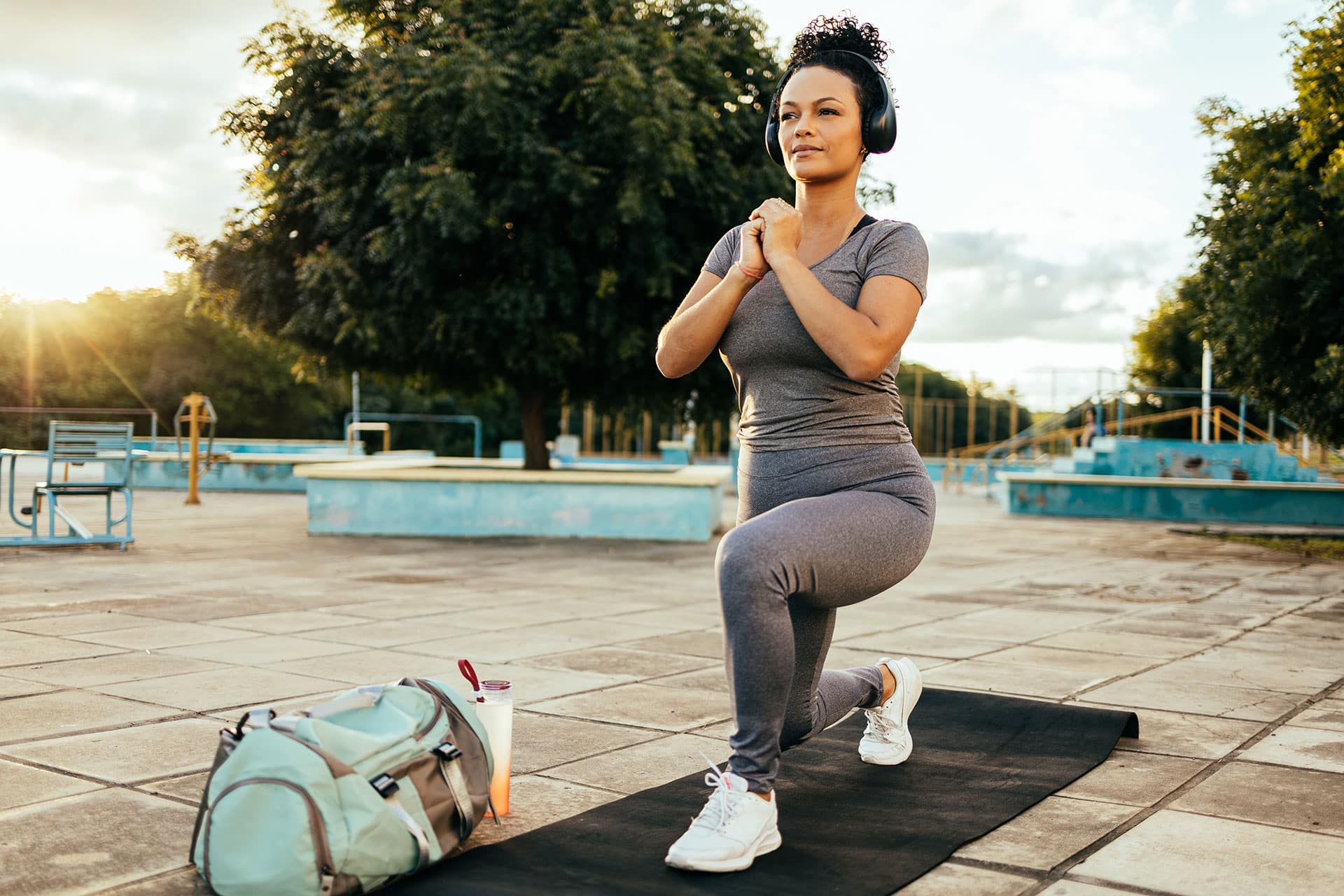
Micro workouts are short, focused exercise sessions, typically lasting 1 to 10 minutes, designed to deliver real physiological benefit in a compressed timeframe. They're not a watered-down version of "real" training. When programmed with intention and performed with intensity, they accumulate into meaningful training volume that moves the needle on cardiovascular fitness, muscular endurance, and body composition.
This guide covers the research behind micro workouts, walks through practical routines from beginner to advanced, and lays out how to build a micro workout habit that actually sticks.
The Science Behind Micro Workouts
The idea that exercise needs to happen in 30- to 60-minute blocks to "count" is outdated. A growing body of research supports shorter, higher-intensity training bouts, including a 12-week trial in which three 10-minute sessions a week, each with one minute of all-out effort, improved aerobic fitness and insulin sensitivity as much as three 50-minute moderate sessions in sedentary men (Gillen et al., 2016).
A study in Applied Physiology, Nutrition, and Metabolism found that brief, vigorous stair-climbing bouts, performed as "exercise snacks" throughout the day, improved cardiorespiratory fitness in sedentary young adults, though the absolute increase was modest. Research published in the American Journal of Preventive Medicine showed that short bouts of exercise, mostly 10 to 15 minutes long, were associated with improvements in clinical disease risk indicators such as blood pressure and BMI. A meta-analytic review in Sports Medicine concluded that exercise accumulated in shorter bouts across the day produces health benefits similar to the same total amount performed in one continuous session.
The physiological mechanisms are straightforward. High-intensity short bouts elevate heart rate and oxygen consumption, stimulate muscle fiber recruitment, and trigger the same post-exercise metabolic responses (including excess post-exercise oxygen consumption, or EPOC) as longer sessions. They also promote endorphin release, which supports mood and mental clarity.
The takeaway is that it's the total volume and intensity of work that matters, not whether it happens in one unbroken block.
FitBoost+
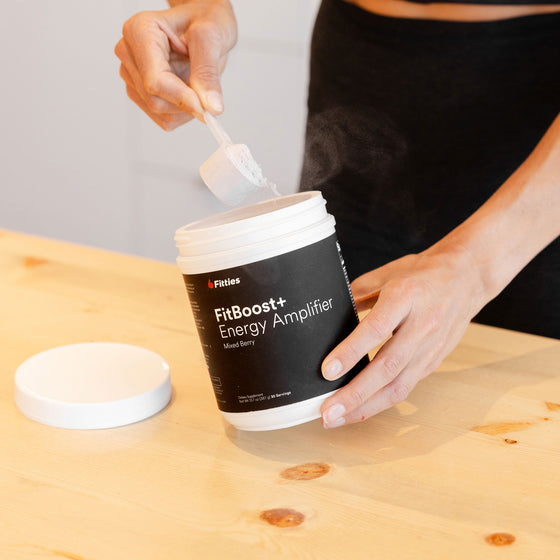
FitBoost+ delivers 3g creatine, 400mg Peak ATP, electrolytes, Albion chelated minerals, bioactive B vitamins, and a caffeine pterostilbene co-crystal. When your workout window is measured in minutes, every rep matters.
Shop FitBoost+Who Benefits Most from Micro Workouts
Micro workouts aren't just for beginners or people who "can't make it to the gym." They serve a range of training contexts.
- Time-constrained professionals who have fragmented schedules but still want to maintain fitness
- Parents managing childcare who need workout options that fit into 5-minute windows
- Experienced athletes looking to add training volume without extending recovery demands
- People returning to exercise after a break who benefit from lower-barrier entry points
- Anyone who finds the prospect of a 60-minute session demotivating but can commit to a few focused minutes
The common thread is that micro workouts remove the biggest barrier to consistent training, which is time.
Micro Workout Routines by Level
Each routine below is designed to be completed in under 10 minutes with no equipment unless noted. Focus on form first, speed second.
Beginner (5 Minutes)
If you're new to exercise or returning after time off, start here. The goal is to build movement competence and establish the habit before pushing intensity.
- Bodyweight squats: 2 sets of 10 reps. Stand with feet shoulder-width apart. Lower until thighs approach parallel with the floor. Keep your chest up and knees tracking over toes.
- Wall or knee push-ups: 2 sets of 8 reps. Use a wall or drop to your knees if a full push-up isn't accessible yet. Controlled descent, full extension at the top.
- Jumping jacks: 1 minute continuous. Maintain a steady rhythm. If jumping aggravates your joints, step side to side with arms overhead instead.
Intermediate (7 Minutes)
You have a baseline of fitness and can maintain form under moderate fatigue. Time to increase the challenge.
- Mountain climbers: 45 seconds. Start in a high plank. Drive knees toward your chest alternately as fast as you can while keeping hips level.
- Walking lunges: 2 sets of 10 per leg. Step forward, lower until both knees are at roughly 90 degrees, push through the front heel to step forward into the next rep.
- Plank hold: Work up to 60 seconds. Forearms on the floor, body in a straight line from head to heels. No sagging, no piking.
- Bodyweight squats: 2 sets of 15 reps at a faster tempo than the beginner version.
Advanced (10 Minutes)
You're conditioned and looking for density. These sessions pack serious work into a short window.
- Burpees: 3 sets of 8 reps. Full range of motion. Squat, hands to floor, jump back to plank, push-up, jump feet forward, explosive vertical jump. Rest 20 seconds between sets.
- Jumping lunges: 2 sets of 10 per leg. Explode upward from the lunge, switch legs in the air, land softly into the next rep.
- Push-up variations: 2 sets of 12 reps. Diamond push-ups, decline push-ups, or tempo push-ups (3-second descent) depending on your strength level.
- Plank to push-up: 2 sets of 8 reps. Start in a forearm plank. Press up to a high plank one arm at a time. Return to forearms. Alternate which arm leads.
How to Build a Micro Workout Habit
The effectiveness of micro workouts depends almost entirely on consistency. A single 5-minute session is trivial; 5 minutes a day, five days a week, for six months is transformative. Here's how to make it stick.
Anchor to Existing Routines
The most reliable habit-building strategy is to attach new behavior to something you already do consistently. This is sometimes called "habit stacking." Here are some examples. Do a set of squats every time you brew coffee. Knock out push-ups immediately after brushing your teeth. Use the first two minutes of every lunch break for planks or mountain climbers. The existing routine serves as a trigger that makes the new behavior automatic over time.
Schedule It Like a Meeting
If it's not on your calendar, it competes with everything else for mental bandwidth. Block 5- or 10-minute windows in your schedule the same way you'd block a call or appointment. Treat them as non-negotiable. Three to five sessions per day is a good target for someone using micro workouts as their primary training approach.
Track Your Sessions
What gets tracked gets done. Use a simple notebook, a fitness app, or even a tally on your phone. Record the exercises, sets, reps, and how you felt. Over weeks and months, this log becomes evidence of progress, and a meta-analysis of 138 studies found that monitoring progress toward a goal helps people reach it, more so when the progress is written down (Harkin et al., 2016).
Progress Intentionally
Once a routine feels manageable, it's time to adjust. Add reps, shorten rest periods, swap in harder exercise variations, or introduce light resistance with bands or dumbbells. The body adapts to repeated stimulus, so progressive overload matters even in micro-format training. Aim to make one small progression every one to two weeks.
Equipment That Adds Value
Micro workouts require zero equipment. Your bodyweight provides more than enough resistance for effective sessions. That said, a couple of inexpensive tools can meaningfully expand your options.
- Resistance bands: Lightweight, portable, and versatile. They add variable resistance to squats, rows, presses, and dozens of other movements. A set of 3-4 bands covers most needs.
- A pair of dumbbells: Even a single moderate-weight pair (15-25 lbs depending on your level) opens up goblet squats, rows, presses, and carries. If you don't have dumbbells, filled water bottles or a loaded backpack work in a pinch.
- A sturdy chair or bench: Enables tricep dips, step-ups, incline or decline push-ups, and split squats. You already have this in your house.
Safety and Recovery
Short sessions still require basic precautions. Always warm up, even if it's just 30-60 seconds of low-intensity movement before increasing effort. Cool down with a brief stretch afterward, particularly if you've been sedentary beforehand.
Listen to your body. Discomfort during challenging exercise is expected; sharp pain is a signal to stop. If you're performing multiple micro sessions per day, pay attention to cumulative fatigue and give muscle groups at least 24-48 hours between high-intensity work targeting the same area.
Recovery between sessions matters as much as the training itself. Adequate hydration, sleep, and nutrition support your body's ability to adapt to training stimulus. For individuals doing frequent high-intensity micro sessions, HMB (beta-hydroxy-beta-methylbutyrate) may support muscle recovery and help maintain lean mass. FitRestore combines 3 g of calcium HMB with 12.5 mcg of vitamin D3 in each six-capsule serving.
Fueling Your Micro Workouts
When your training window is compressed, you want every minute to count. That's where smart supplementation fits in.
Energy production is driven by B vitamins and supported by adequate electrolyte balance. If you're stacking multiple micro sessions throughout the day, maintaining hydration and energy substrate availability becomes more important than it would for a single longer session. FitBoost+ delivers 3g creatine and 400mg Peak ATP® alongside activated B vitamins, electrolytes, Albion chelated minerals, and a caffeine pterostilbene co-crystal, an alternative to ordinary caffeine.
Post-workout nutrition follows the same principles regardless of session length. If your micro workout was intense enough to challenge your muscles (and it should be), a quality protein source within a reasonable window supports recovery and adaptation.
Making It Count
Micro workouts work. Not because they're a hack or a shortcut, but because they remove the biggest obstacle between most people and consistent training, which is time. The research supports it. The practical application is straightforward. And the only equipment you truly need is the willingness to push hard for a few focused minutes.
Start with one session tomorrow. Anchor it to something you already do. Track it. Progress it. And if you want to maximize what those minutes deliver, make sure your nutrition and supplementation are supporting the work, not working against it.
FitBoost+
FitBoost+ delivers 3g creatine, 400mg Peak ATP, electrolytes, Albion chelated minerals, bioactive B vitamins, and a caffeine pterostilbene co-crystal. When your workout window is measured in minutes, every rep matters.
Shop FitBoost+