The Fitties Journal
Does Protein Powder Expire? How Long It Lasts and When to Toss It
Key Takeaways
Here's what matters most if you're short on time.
- Protein powder does expire, but the printed date is a best-quality date, not a safety cliff. Unopened and stored cool and dry, most tubs are good for one to two years.
- A best by date signals peak flavor and quality; a dry, clean powder is usually safe past it, according to USDA guidance.
- Heat and humidity are what actually age protein powder. Whey stored warm browns, cakes, and loses some lysine far faster than whey kept cool.
- Toss any powder that clumps hard, smells sour or like old paint, changes color, or shows the slightest sign of moisture or mold.
- Once opened, finish a tub within about six to twelve months, keep the lid sealed, and use a dry scoop.
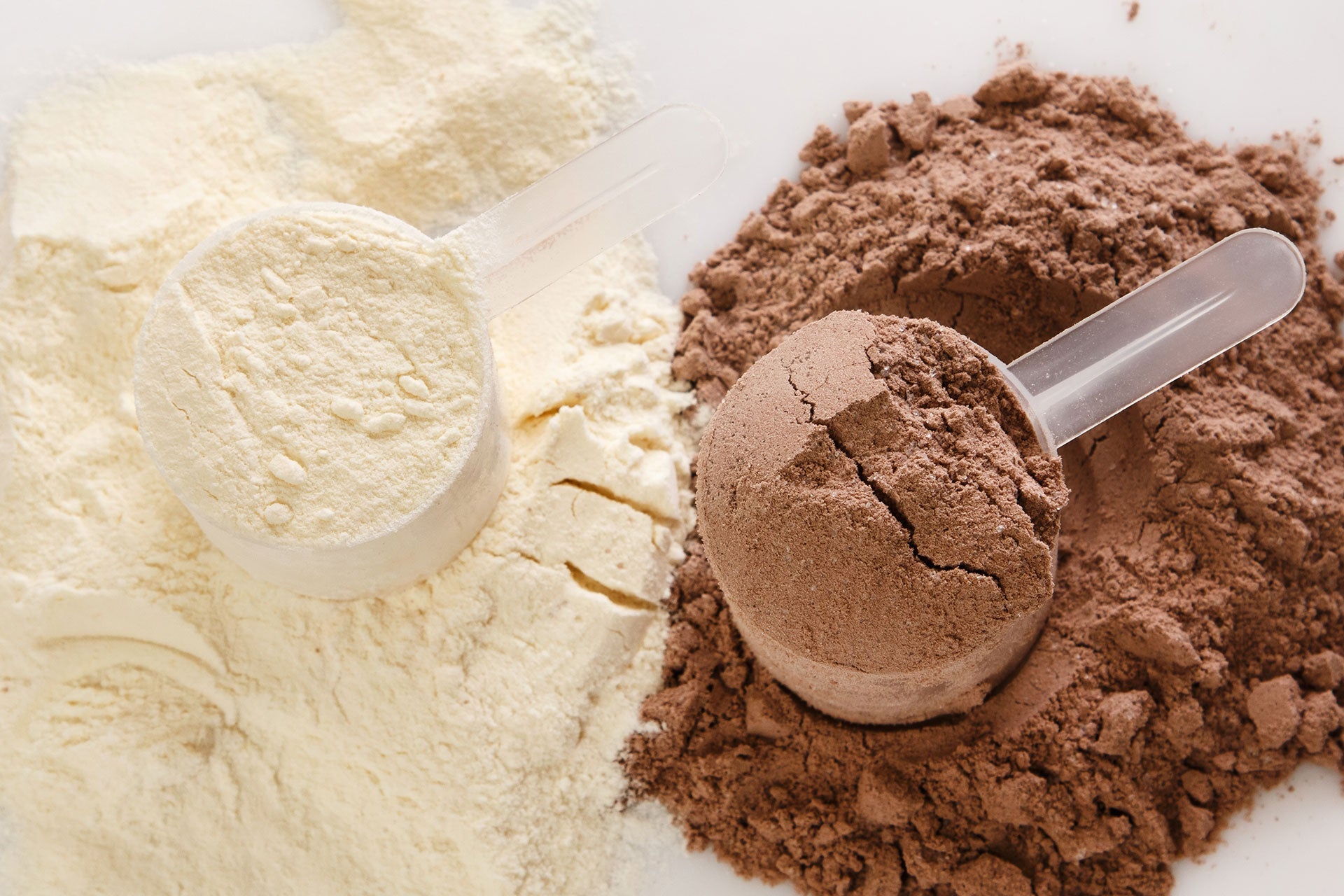
Yes, protein powder expires, but not the way a carton of milk does. The date stamped on the tub is a best-quality date, not a safety deadline. Unopened and kept cool and dry, most protein powder stays good for one to two years, and it often works past the printed date. What actually ages it is heat, humidity, and air. Those dull the flavor, cake the powder, and slowly chip away at protein quality. True spoilage, the moldy, sour, throw-it-out kind, is much rarer and easy to spot. Here is how long protein powder really lasts, what that date means, and exactly when to toss it.
How long does protein powder last?
Protein powder is a low-moisture, shelf-stable food, which is why it lasts far longer than most things in your kitchen. The two variables that matter are whether the tub is opened and how you store it. Type matters less than the supplement industry wants you to believe. Whey, casein, and plant blends are all dry powders that behave similarly when kept sealed and cool.
| State | Typical window for best quality | What is happening |
|---|---|---|
| Unopened, cool and dry | 1 to 2 years | Sealed and stable; usually good to the best by date and beyond |
| Opened | 6 to 12 months | More air and moisture exposure each time you open it |
| Mixed into liquid | Same day | Drink within a couple of hours, or refrigerate and finish that day |
Those unopened and opened windows are the ranges most manufacturers print and recommend. They are quality windows, not hard safety cliffs. Storage is the real lever. A study on whey protein concentrate found that sealed powder stayed acceptable for at least 18 months when kept at cooler temperatures, but the same powder held at 95 degrees Fahrenheit was pulled from testing by 12 months because it had yellowed and degraded (Tunick et al., Journal of Dairy Science, 2016). Keep it cool, and you keep it good.
FitWhey+
FitWhey+ delivers 21g of New Zealand grass-fed whey protein per serving in a sealed tub, with no added sugar or stevia and monk fruit for sweetness. Contains milk.
Shop FitWhey+What does the best by date on protein powder mean?

Here is the part the panic-sellers skip. A best by date is about quality, not safety. According to the USDA, a "Best if Used By/Before" date "indicates when a product will be of best flavor or quality. It is not a purchase or safety date," and these dates are not even required by federal law, with the single exception of infant formula (USDA FSIS, Food Product Dating).
The same guidance notes that if the date passes during home storage, a properly handled product "should still be safe and wholesome" until spoilage is actually evident. In other words, the date is a guidepost for peak flavor and mixability, not the moment your protein turns on you. Your own eyes and nose are a better test than the number on the lid. A quick look and a sniff tell you more about a tub than its date does, which is the same logic behind knowing whether creatine expires. If you want to get fluent in the numbers stamped on your supplements, our guide on how to read supplement labels breaks down what each one actually means.
How can you tell if protein powder has gone bad?
Fresh protein powder is neutral. It pours freely, smells like almost nothing (or like its flavor), and mixes clean. A tub that has genuinely turned announces itself. Watch for these signs.
- Hard clumping or caking. Soft, breakable lumps are normal. Rock-hard clumps mean moisture got in, and moisture is what lets microbes grow.
- A rancid or off smell. Sour, stale, bitter, or a whiff of old paint or cardboard signals the fats have oxidized.
- Color change. Yellowing or darkening in whey is the Maillard reaction, the same browning you get when toast cooks, and it comes with a real loss of quality.
- A bitter or flat taste. If a small amount tastes wrong, trust it.
- Any visible mold, dampness, or bugs. This is a hard stop. Toss the whole tub, no debate.
Most of these are quality problems, not danger signs. The one that is non-negotiable is moisture. The whey storage study found that warm storage drove exactly this pattern of caking, yellowing, and a measurable drop in lysine, one of the amino acids that makes whey worth buying (Tunick et al., 2016).
Is it safe to use expired protein powder?
Usually, yes, with one big caveat. If a tub is past its best by date but has been kept cool and dry and shows none of the spoilage signs above, it is generally safe to use. You may notice weaker flavor, gritty mixing, or a slightly lower protein punch as some amino acids degrade, but a dry, clean powder is a quality issue, not a safety one. The USDA's own framing backs this up. Past the date, a properly stored product should still be safe and wholesome until spoilage shows (USDA FSIS).
Throw it out, no matter the date, if it got wet, smells rancid, has hardened into a brick, changed color, or shows any mold. And use sharper judgment if you are pregnant, nursing, or immunocompromised. When a tub is borderline, the smart move is to replace it and check with your healthcare provider if you are unsure. When in doubt, throw it out. A ruined scoop is cheaper than a bad day.
How should you store protein powder so it lasts?
Storage is the whole game. Get it right and an unopened tub cruises past its date; get it wrong and you can wreck a fresh one in a summer. The rules are simple. Keep the powder in its original container with the lid sealed tight, and store it somewhere cool, dark, and dry. A pantry or a cupboard away from the stove beats a shelf above the range or a gym bag baking in a hot car. Heat and humidity are the enemies, which is why the label on a quality protein, including FitWhey+, simply says to keep it closed in a cool, dry place.
Two more habits protect a tub. Always scoop with a completely dry utensil, because a damp scoop drips moisture straight into the powder and invites clumping. And skip the fridge or freezer. Moving the tub between cold and room temperature creates condensation inside, which does the opposite of what you intended. A sealed tub on a stable, room-temperature shelf is exactly where premium protein wants to live. FitWhey+ ships as New Zealand grass-fed whey with no added sugar or stevia, sweetened with monk fruit, in a sealed tub.
Does plant-based protein expire faster than whey?
Not really. Both whey and plant proteins are dry, shelf-stable powders, and stored well, both last that same one to two year window unopened. They just fail in slightly different ways. Whey browns through the Maillard reaction because it carries milk sugars alongside the protein. Plant proteins like pea and rice tend to develop earthy or cardboard-like off-notes as their fats oxidize. Neither is dramatically shorter-lived than the other, and in both cases heat and moisture, not the source of the protein, decide how fast quality slips. If you run on a plant blend, the same storage rules apply, whether it is a pea and rice option like FitPlant+ or anything else in your cabinet.
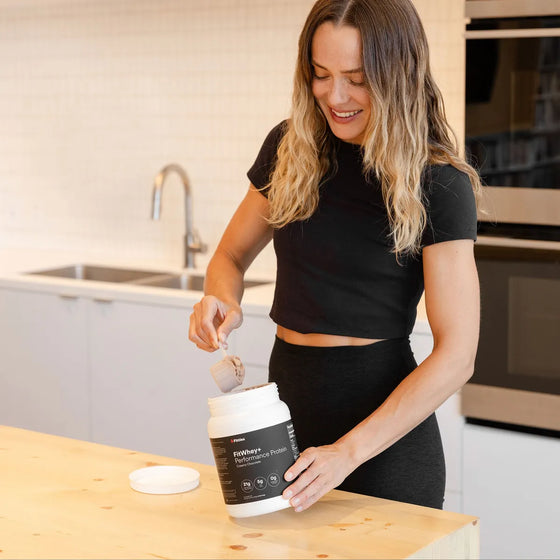
FitWhey+
FitWhey+ delivers 21g of New Zealand grass-fed whey protein per serving in a sealed tub, with no added sugar or stevia and monk fruit for sweetness. Contains milk.
Shop FitWhey+