
The Fitties Journal
Gluten-Free Sports Nutrition for Athletes: How to Choose the Right Supplements
Key Takeaways
Here's what matters most if you're short on time:
- Gluten-free is essential for celiac disease and wheat allergy, not automatically beneficial for all athletes.
- Performance depends on meeting energy and carbohydrate needs first, regardless of gluten status.
- Naturally gluten-free carbohydrate sources form the foundation of effective fueling.
- Supplements labeled gluten-free can still carry contamination risk and require scrutiny.
Athletes who need to avoid gluten often run into the same problem: the training plan is dialed in, but the fueling plan becomes a minefield. Between ingredient label ambiguity, cross-contamination risk, and products that look safe on the label but aren’t, going gluten-free can feel harder than it should. Navigating gluten-free sports nutrition is important for athletes with celiac disease or gluten sensitivity, or for those seeking to optimize performance without risking their health.
This guide is for athletes who need or want to avoid gluten and want clear, practical nutrition strategies. It breaks down who truly benefits from gluten avoidance, how to fuel performance with gluten-free foods, and how to choose supplements confidently without guessing.
Gluten-Free Sports Nutrition Summary
- Strict gluten avoidance is essential for celiac disease (and often for wheat allergy). For others, gluten-free should be driven by symptoms, not trends.
- Performance depends on meeting total energy and carbohydrate needs first. Gluten-free should never accidentally become low-carb.
- Build meals around naturally gluten-free carbohydrates such as rice, potatoes, quinoa, fruit, and certified gluten-free oats, paired with adequate protein.
- Supplements may be labeled gluten-free but still carry risk from flavor systems, fillers, and shared manufacturing equipment.
- Test foods and supplements during training, not competition, and prioritize reputable brands with strong quality controls if you are sensitive.
FitNutrients+
A comprehensive multivitamin designed for mental and physical vitality.* Provides B vitamins in bioactive forms, vitamin D, zinc, magnesium, and selenium alongside Albion chelated minerals for optimal absorption. Formulated to exclude wheat, gluten, soy protein, dairy products, fish, shellfish, peanuts, tree nuts, and egg.
Shop FitNutrients+Who Actually Needs Gluten-Free Sports Nutrition?
"Gluten-free" can mean very different things depending on why you're avoiding gluten.
Celiac disease: With celiac disease, gluten triggers an immune response that can damage the small intestine. For athletes, this can show up as fatigue, gastrointestinal symptoms, poor recovery, and nutrient absorption issues. For people with celiac disease, strict gluten avoidance is essential.
Wheat allergy: A wheat allergy is different from gluten intolerance. Wheat can cause an allergic reaction that ranges from mild to severe. Gluten avoidance often helps, but the real target is wheat specifically. Label scrutiny still matters.
Gluten sensitivity or gluten intolerance: Some athletes experience symptoms when eating gluten (bloating, cramps, brain fog, fatigue), even without celiac disease. If symptoms reliably improve with gluten avoidance, a gluten-free approach may be useful.
Non-celiac athletes: A lot of gluten-free adoption in sport is driven by commercial hype and “improved performance” claims. For non-celiac athletes with no symptoms, removing gluten doesn’t automatically improve athletic performance. In practice, the biggest risk is accidentally lowering carbohydrate intake, reducing overall calories, and creating nutritional deficiencies.
Bottom line, if you’re a non-celiac athlete, go gluten-free because it helps symptoms or health markers you’re tracking, not because gluten is inherently “bad for performance.”
Gluten and Athletic Performance: What We Know
Gluten is a protein found in wheat, barley, and rye. For people with celiac disease, it can create a significant impact on health and performance through inflammation and nutrient malabsorption.
For everyone else, gluten itself is rarely the direct performance limiter. This aligns with current exercise science research, which finds only limited data supporting any ergogenic benefit from gluten avoidance in non-celiac athletes, despite widespread commercial hype around gluten-free diets in sport.¹
What athletes often notice instead:
- Gastrointestinal symptoms during endurance exercise can be triggered by many things: high fiber, high fat, sugar alcohols, dehydration, large pre-workout meals, anxiety, or unfamiliar products. Gluten may be one factor, but it’s not always the cause.
- Training stress amplifies GI sensitivity. Long-distance runner problems like cramps or urgent bathroom stops can be more about gut training and carbohydrate form than gluten alone.
- The “gluten-free = healthier” effect is often a food-quality effect. When athletes remove packaged foods, they may replace them with whole foods, which can improve their overall well-being. That’s not the same as gluten being the issue.
If you suspect gluten is a problem, treat it like any performance variable:
- change one thing,
- track symptoms and training output,
- and avoid accidental under-fueling.
Gluten-Free Sports Nutrition Foundations: Fuel First, Then Supplements
Whether you’re gluten-free or not, sports nutrition still runs on the same pillars:
- Energy needs (total calories)
- Carbohydrates (training fuel)
- Protein (repair and adaptation)
- Fluids and electrolytes
- Micronutrients (the quiet drivers of recovery)
A gluten-free athlete is most likely to struggle with #1 and #2, because many easy carbs are wheat-based (bread, pasta, cereals, snack bars). The goal is not to “eat gluten-free.” It’s to hit performance macros with gluten-free foods.
Gluten-Free Carbohydrates: The Core of Athletic Performance
Carbohydrates are the most efficient fuel for higher-intensity work and long sessions. If your gluten-free diet unintentionally cuts carbs, you’ll often see:
- early fatigue
- poor training quality
- slower muscle recovery
- mood and sleep disruption
- stalled body composition goals (either unwanted weight loss or rebound cravings)
Naturally gluten-free, carbohydrate-rich foods
These are staples for gluten-free sports nutrition:
- Rice (white rice is especially easy pre-workout)
- Potatoes and sweet potatoes
- Quinoa
- Oats (only if certified gluten-free, due to contamination risk)
- Corn tortillas, polenta, grits
- Fruit (bananas, berries, oranges, dates)
- Beans and lentils (great, but higher fiber can be tough right before training)
- Gluten-free whole grains like buckwheat, millet, and gluten-free oats
Complex carbohydrates vs “easy carbs”
- Complex carbohydrates (quinoa, beans, whole foods) support steady energy and overall health benefits.
- Easy carbs (white rice, rice cakes, bananas, sports drinks) are often better right before or during hard sessions to reduce GI load.
Common Signs Gluten-Free Athletes Are Under-Fueling
Many athletes who remove gluten unintentionally reduce total calories or carbohydrate intake. This often manifests as performance issues rather than as obvious hunger.
- Persistent fatigue despite adequate sleep
- Declining training quality or shortened sessions
- Slower muscle recovery and lingering soreness
- Mood changes, irritability, or poor sleep
What to adjust first: Increase carbohydrate portions at meals, add a dedicated pre-training carb source, and ensure post-workout meals include both carbs and protein.
Best Gluten-Free Foods for Training (Pre, During, Post)
Pre-workout (60 to 180 minutes before)
Pick mostly carbs, moderate protein, low fat, and low fiber.
Good gluten-free options:
- rice bowl with eggs or lean protein
- yogurt + fruit + honey (if dairy is tolerated)
- rice cakes + nut butter + banana (watch fat if you’re GI-sensitive)
- sweet potato + lean protein
- oatmeal made from certified gluten-free oats (test tolerance)
During training (endurance athlete focus)
For longer sessions, you want easily digestible carbs.
Options:
- sports drink (check “gluten-free” labeling and manufacturing notes)
- gels/chews (verify gluten-free status, flavors are common risk points)
- bananas, dates, applesauce pouches
- rice-based bars made in gluten-free facilities
Tip: If you’ve had GI issues, keep a simple “known-safe” fueling routine for race day and do experimentation only in training sessions.
Post-workout (muscle recovery)
Aim for carbs + protein within a reasonable window, especially after intense or long sessions.
Options:
- rice + lean protein + vegetables
- potatoes + protein + olive oil
- smoothie with fruit + protein (verify the powder)
- gluten-free cereal with milk (if tolerated)
Protein and Recovery on a Gluten-Free Diet
Protein itself is typically easier to manage gluten-free, but there are two traps:
- flavored powders and blended products that include questionable additives
- vegan diet overlap, where athletes rely more on processed foods
Whole-food protein staples (naturally gluten-free)
- eggs
- dairy (milk, Greek yogurt, cottage cheese) if tolerated
- poultry, fish, lean meat
- tofu, tempeh (check labeling)
- legumes (best away from pre-workout if you’re GI-sensitive)
- nuts and seeds (sunflower seeds included)
Vegan diet considerations
A vegan diet can support athletic goals, but gluten-free + vegan can make it harder to hit:
- protein targets
- iron and B vitamins
- total calories
- carbohydrate needs without high fiber overload
If you're combining both, plan deliberately and consider working with a sports dietitian. A plant-based protein powder that is explicitly formulated to exclude wheat and gluten, like FitPlant+, which is formulated to exclude wheat and gluten, can simplify the protein equation for vegan athletes seeking gluten-free options.
Common Nutritional Deficiencies on a Gluten-Free Diet (Athlete Edition)
A gluten-free diet can be healthy, but athletes sometimes miss key nutrients when gluten-containing whole grains are removed or replaced with low-fiber substitutes.
Watch these especially:
- Iron (fatigue, reduced performance)
- B vitamins (energy metabolism; especially important if you’re avoiding fortified wheat products)
- Fiber (gut health, satiety, and steady energy)
- Calcium + vitamin D (bone and muscle function, especially for endurance athletes)
- Magnesium and zinc (recovery, muscle function, sleep quality)
- Iodine (if dairy and iodized salt intake drops)
This is where "essential nutrients" and "essential vitamins" actually matter: not as buzzwords, but as performance infrastructure. For a deeper breakdown, see micronutrients that are vital for performance and recovery. A comprehensive multivitamin like FitNutrients+, which provides B vitamins in bioactive forms, vitamin D, zinc, magnesium, and selenium alongside Albion chelated minerals, covering several of the nutrients most often short on a gluten-free diet, particularly B vitamins, vitamin D, magnesium, zinc, selenium, and iodine. It's formulated to exclude wheat, gluten, and other common allergens. Iron and calcium may need to come from food sources or targeted supplementation.
If you’re seeing persistent fatigue, poor recovery, or frequent illness, don’t guess. A registered dietitian (ideally a sports dietitian) can help you tighten the plan, and labs can help confirm what you actually need.
How to Choose Gluten-Free Sports Supplements Safely
Supplements can be useful, but for gluten-free athletes, the decision is less about “best supplement” and more about risk management.
How strict gluten-free athletes need to be:
- Celiac disease: Avoid products without explicit gluten-free labeling and verified manufacturing controls.
- Gluten sensitivity: Ingredient lists and flavor systems matter most; test cautiously during training.
- Non-celiac athletes: Risk is lower, but unnecessary restrictions can backfire if they limit fueling.
Flavored and multi-ingredient supplements carry the highest risk because gluten can enter through flavor carriers, binders, or shared equipment.
1) Look for gluten-free labels
A clear “gluten-free” label is the fastest filter, but it’s not the only step. For athletes with celiac disease or severe sensitivity, look for clarity on shared equipment, cleaning protocols, and whether finished batches are tested.
Many standards use < 20 parts per million (ppm) as the gluten-free threshold. That level is widely used, but individual tolerance varies. If you have celiac disease or severe gluten sensitivity, you may need tighter risk controls and more verification, not more restriction.
2) Read ingredient lists carefully
Even with a gluten-free claim, scan for common problem areas:
- vague “flavors” or “natural flavors”
- malt-based ingredients
- filler systems that aren’t clearly sourced
- “modified food starch” (source can vary)
- questionable binders in tablets/capsules
If the label is unclear and you’re highly sensitive, contact the manufacturer.
3) Choose reputable brands and third-party testing
Look for strong quality systems and independent verification. In sport, it’s also smart to prioritize brands that test for contaminants and label accuracy.
Common third-party programs athletes seek include NSF and Informed Choice/Informed Sport-style testing. Even if gluten isn’t the only concern, quality control is your friend.
4) Prefer simpler formulas when possible
When in doubt, check the supplement label essentials guide to better understand what you're really consuming. Otherwise, single-ingredient supplements reduce the number of variables:
- plain creatine monohydrate
- unflavored protein
- simple electrolyte products
The more “kitchen sink” the formula (especially flavored blends), the more places gluten can hide.
5) Manage cross-contamination risk
Cross-contamination can happen:
- in manufacturing facilities
- during packaging
- in your own kitchen (shared scoops, containers, countertops)
If you live with people who eat gluten:
- store gluten-free supplements separately
- use dedicated scoops
- avoid shared shaker bottles or containers that aren’t cleaned thoroughly
6) Consult a healthcare professional
If you have celiac disease, persistent GI symptoms, or unexplained fatigue, it’s worth involving a professional. A sports dietitian can help you meet energy needs without turning your diet into a restriction spiral.
7) Use athlete feedback wisely
Online reviews and forums can help you spot red flags (taste, GI tolerance, labeling issues), but treat them as a starting point, not proof.
8) Consider food-based alternatives when a product is questionable
If a specific supplement category is hard to verify gluten-free, you can often replace the function with food:
- pre-workout carbs: rice, fruit, honey, certified gluten-free oats
- electrolytes: salted meals, coconut water, simple electrolyte products you can verify
- protein: whole foods or verified powders
When in doubt, ask the manufacturer:
- Is the product produced in a dedicated gluten-free facility?
- Is gluten testing performed on finished batches?
- Are flavors or excipients sourced from gluten-containing grains?
For more evidence-based nutrition and supplement guidance, visit The Fitties Journal.
Supplement Types: Which Are Higher Risk for Gluten?
Not all supplements carry the same gluten risk.
Quick rule: the more “processed” the product, the more places gluten can sneak in through binders, flavor carriers, or shared manufacturing lines.
- Highest-risk categories: flavored powders, bars, chews, and products with long ingredient lists.
- Lower-risk categories: single-ingredient powders and simple formulas with minimal excipients.
Best practice: test new products during training sessions, not on race day, and keep a short list of “known-safe” staples you can always fall back on.
Lower risk (usually simpler)
- Creatine (single-ingredient powders are often straightforward)
- Electrolyte capsules (still verify excipients)
- Single minerals like magnesium (capsule fillers vary)
- Plain protein isolates (unflavored tends to be safer)
Higher risk (more hidden variables)
- Pre-workouts (flavors, blends, proprietary systems)
- Protein powders with flavors/sweeteners
- Gels, chews, bars (binders, flavor systems, shared lines)
- Multivitamins (binders, coatings, varied sourcing)
If you’re a gluten-free athlete with high sensitivity, treat “higher risk” categories like you would race-day fueling: verify first, test during training, then commit.
Practical Gluten-Free Sports Nutrition Meal Ideas
Use these as templates. Adjust portion sizes for body weight, training volume, and energy needs.
Endurance athlete day (training-focused)
- Breakfast: certified gluten-free oats + berries + yogurt
- Pre-run: banana + honey + pinch of salt
- During: verified gluten-free gel or sports drink
- Post-run: rice bowl with eggs or lean protein + vegetables
- Snack: fruit + nuts (sunflower seeds work well)
- Dinner: potatoes or quinoa + protein + olive oil + vegetables
Strength-focused day (lifting + recovery)
- Breakfast: eggs + rice + fruit
- Pre-lift: rice cakes + jam
- Post-lift: smoothie (fruit + verified protein)
- Lunch: quinoa salad with protein + vegetables
- Snack: Greek yogurt or tofu bowl (if vegan)
- Dinner: sweet potato + protein + vegetables
Final Guidance for Gluten-Free Athletes
Gluten-free sports nutrition does not require special products or extreme restriction. It requires clarity about why gluten is being avoided, consistency in fueling, and close attention to carbohydrate intake, food quality, and contamination risk.
For athletes with celiac disease or wheat allergy, strict gluten avoidance is essential. For others, decisions should be guided by symptoms, training quality, and overall energy intake rather than trends or marketing claims.
When in doubt, prioritize naturally gluten-free whole foods, test new products during training sessions rather than in competition, and work with a registered dietitian or sports dietitian to ensure your nutrition strategy supports performance rather than limits it. For more information, athletes with digestive sensitivities can explore strategies for managing these challenges through dietary choices.
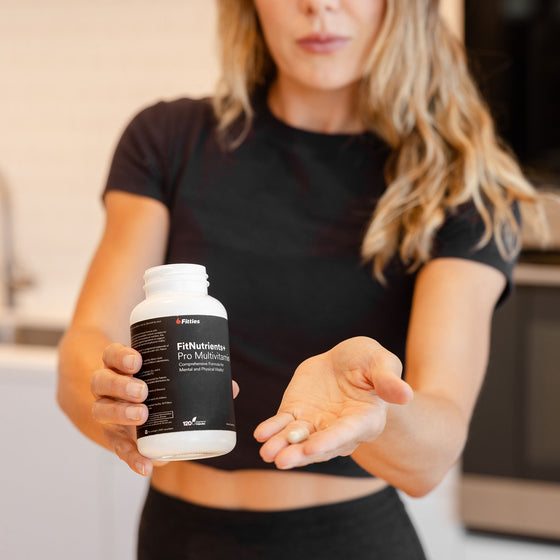
FitNutrients+
A comprehensive multivitamin designed for mental and physical vitality.* Provides B vitamins in bioactive forms, vitamin D, zinc, magnesium, and selenium alongside Albion chelated minerals for optimal absorption. Formulated to exclude wheat, gluten, soy protein, dairy products, fish, shellfish, peanuts, tree nuts, and egg.
Shop FitNutrients+