The Fitties Journal
Snacking for Athletes: A Performance Guide
Key Takeaways
Here's what matters most if you're short on time.
- Strategic snacking supports energy levels and muscle recovery by delivering the right macronutrients at the right time.
- Pre-workout snacks should emphasize carbohydrates for fuel; post-workout snacks need protein to support muscle repair.
- Protein quality matters. Look for complete amino acid profiles, minimal added sugar, and clean ingredient lists.
- Whole-food snacks paired with a quality protein supplement can close nutrition gaps that meals alone often leave.
- Portable, shelf-stable options like trail mix, jerky, and protein shakes make consistency easier on busy training days.
Most athletes have their meals dialed in. Breakfast, lunch, dinner, macros tracked, calories accounted for. But the space between those meals? That's where things fall apart. A vending machine protein bar here, a handful of chips there, or worse, nothing at all for six hours while your body begs for fuel.
Snacking isn't an afterthought. For athletes, it's a performance tool. The right snack at the right time supports steady energy, helps maintain muscle protein synthesis between meals, and keeps you from arriving at dinner so hungry you inhale everything in sight. The wrong snack, or no snack, leaves gaps your training can't afford.
This guide covers how to approach snacking strategically, including what your body actually needs between meals, when timing matters most, and how to build snacks that work as hard as you do.
Why Snacking Matters for Athletic Performance
Your body doesn't stop working between meals. Muscle repair, glycogen replenishment, and energy regulation are ongoing processes that require a steady supply of nutrients. Going too long without eating can lead to blood sugar dips that affect focus, training intensity, and recovery quality.
Strategic snacking addresses several performance needs at once. It provides fuel for upcoming training sessions, delivers protein to support muscle recovery from previous ones, and helps maintain the consistent caloric intake that active bodies demand. Research supports the idea that distributing protein intake across multiple eating occasions throughout the day, rather than concentrating it in one or two large meals, may better support muscle protein synthesis (Kerksick et al., 2017).
This doesn't mean eating more overall. It means distributing what you eat more intelligently across the day.
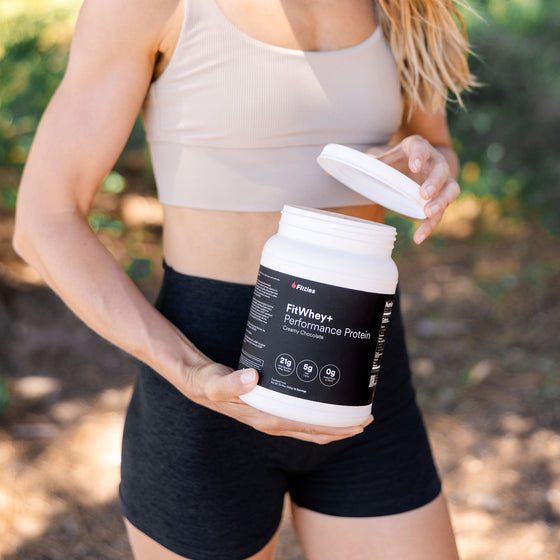
FitWhey+
FitWhey+ delivers 21g of rBST/rBGH hormone-free New Zealand whey protein per serving, sweetened with monk fruit. No added sugar, no stevia, no soy protein. It includes Aminogen, listed on the label as fungal proteases.
Shop FitWhey+The Macronutrient Framework for Athlete Snacks
Not all snacks are created equal, and "healthy" is a frustratingly vague label. A more useful framework is thinking about snacks in terms of their macronutrient profile and how that profile serves your current needs.
Protein
Protein is the non-negotiable component of most athlete snacks. It supports muscle repair, helps regulate appetite, and contributes to lean body mass maintenance. Aim for 15 to 25 grams of protein per snack. Quality matters here. Look for complete proteins that provide the full spectrum of essential amino acids. Whey protein remains one of the most researched options, thanks to its fast digestion and high essential amino acid and leucine content (Jäger et al., 2017), while combining plant proteins such as pea and rice can give an amino acid profile that closely reflects animal protein (Gorissen et al., 2018).
Carbohydrates
Carbohydrates are your body's preferred fuel source during moderate to high-intensity exercise. Pre-workout snacks should lean heavier on carbohydrates to top off glycogen stores. Post-workout, carbohydrates help replenish what training depleted. Choose complex carbohydrates like oats, fruit, and whole grains over refined options for more sustained energy.
Healthy Fats
Fats slow digestion and support satiety, making them valuable in between-meal snacks when you need to stay full for a few hours. Nuts, seeds, avocado, and nut butters are all solid choices. Just be mindful of fat-heavy snacks close to training, since slower digestion isn't ideal when you need quick fuel.
Timing Your Snacks Around Training
When you eat matters almost as much as what you eat. The timing of your snacks relative to training sessions can influence energy levels, performance, and recovery.
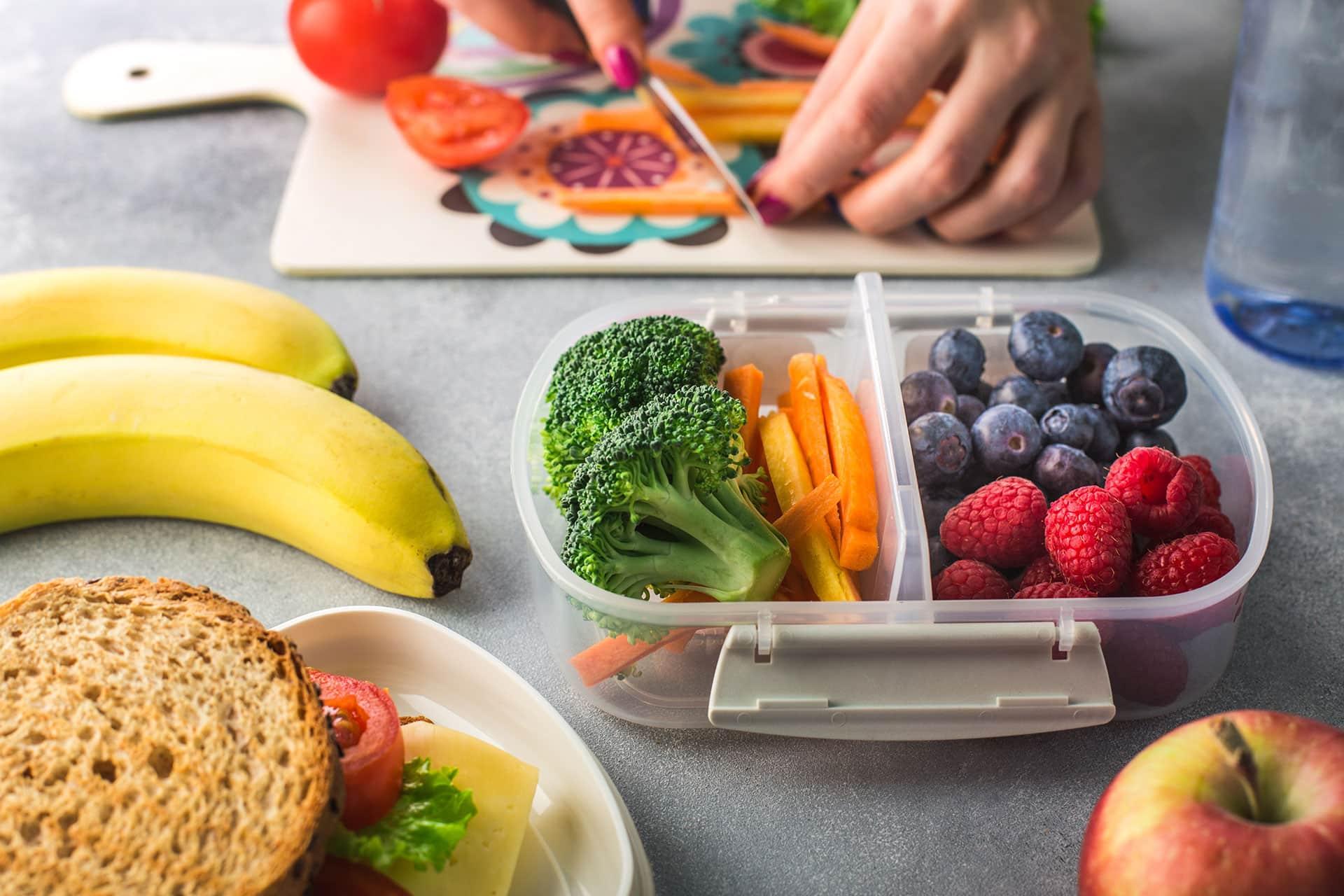
1 to 3 hours before training: Focus on a snack that's carbohydrate-forward with moderate protein and low fat. This gives your body time to digest and convert food to available energy. A banana with a small serving of nut butter, oatmeal with berries, or a rice cake with turkey slices all work well here.
Within 30 to 60 minutes after training: This is where protein takes priority. Your muscles are primed to absorb amino acids for repair and recovery. A protein shake is one of the most efficient post-workout options because it delivers protein quickly without requiring prep time. FitWhey+ provides 21 grams of high-quality New Zealand whey protein per serving, plus Aminogen®, a blend of fungal proteases.
Between meals (no training proximity): Balance protein, carbohydrates, and healthy fats to sustain energy and satiety. This is where whole-food combinations shine, like Greek yogurt with fruit and nuts, hummus with vegetables, or cottage cheese with berries.
Snack Ideas That Actually Perform
Forget the endless listicle of 20 snack ideas you'll never actually make. Here are practical options organized by situation, with an emphasis on combinations that deliver real nutritional value.
Quick and Portable
These require minimal prep and travel well for gym bags, offices, and road trips.
- Trail mix made with raw nuts, seeds, and a small amount of dried fruit (watch added sugar in commercial mixes)
- Beef or turkey jerky paired with a piece of fruit
- Single-serve nut butter packets with a banana or apple
- Hard-boiled eggs with a handful of cherry tomatoes
- A protein shake made with FitWhey+ or FitPlant+ and water (no blender needed)
Pre-Workout Fuel
Carbohydrate-forward options designed to top off energy stores without sitting heavy in your stomach.
- Oatmeal topped with banana slices and a drizzle of honey
- Rice cakes with a thin spread of almond butter and sliced strawberries
- A small smoothie blending fruit, a handful of spinach, and a scoop of protein powder
- Whole-grain toast with mashed avocado
Post-Workout Recovery
Protein-forward options that prioritize fast digestion and muscle support.
- Protein shake with a banana (the simplest post-workout snack there is)
- Greek yogurt with berries and a sprinkle of granola
- Cottage cheese with pineapple or peach slices
- A turkey and cheese roll-up with a handful of grapes
Between-Meal Sustenance
Balanced combinations that keep energy steady for hours.
- Hummus with raw vegetable sticks (carrots, bell peppers, cucumber)
- Edamame lightly salted
- A small quinoa salad with diced vegetables and a squeeze of lemon
- Overnight oats prepared with chia seeds, milk, and fruit
What to Look for in Protein Supplements
If you're using a protein powder as part of your snacking strategy, and most serious athletes should consider it, the quality of that protein matters enormously. The supplement industry is full of products loaded with added sugar, artificial sweeteners, fillers, and protein sources of questionable quality.
Here's what separates a quality protein supplement from a mediocre one.
- Protein source and origin: Where the protein comes from affects its amino acid profile and purity. FitWhey+'s New Zealand whey, for example, comes from pastured, grass-fed cattle that are rBST/rBGH hormone-free, according to its label.
- Sweetener profile: Many protein powders rely on added sugar or artificial sweeteners. Look for formulas sweetened with natural alternatives like monk fruit extract.
- Digestive support: Protein is only useful if your body can absorb it. Formulas that include digestive enzymes support better protein utilization.
- What's excluded: Check for soy protein, artificial colors, and artificial sweeteners on the label. The absence of these is often as important as what's included.
FitWhey+ checks all of these boxes. It's built on 100% New Zealand whey protein from grass-fed, rBST/rBGH hormone-free cattle and sweetened with monk fruit, with no added sugar, stevia or artificial sweeteners. It also includes Aminogen, a blend of fungal proteases. For plant-based athletes, FitPlant+ delivers 15 g of protein from a pea and rice blend, with the same commitment to clean ingredients and no added sugar or stevia.
Hydration as Part of the Snacking Equation
It's easy to focus entirely on food and overlook hydration, the other half of between-meal nutrition. Dehydration impairs performance faster than most nutrient deficiencies, and the electrolytes lost through sweat, including sodium, potassium, and magnesium, need to be replaced regularly during active training periods.
Water is the foundation, but athletes with high sweat rates or intense training schedules often benefit from electrolyte support. A quality electrolyte and B-vitamin supplement can support hydration and sustained energy between meals. Pairing a hydration strategy with your snacking plan ensures you're covering both sides of between-meal nutrition.
Common Mistakes Athletes Make with Snacking
Even well-intentioned athletes sabotage their snacking strategy with a few recurring mistakes.
Relying on "health food" marketing. Granola bars, flavored yogurts, and smoothie bowls from chain shops often contain as much sugar as candy bars. Read the nutrition label, not the front of the package. If a product has more than 8 to 10 grams of added sugar per serving, it's a dessert, not a performance snack.
Skipping snacks entirely. Some athletes view snacking as unnecessary or worry about excess calories. But under-fueling between meals can lead to energy crashes, poor training performance, and overeating later. If you're training hard, your body needs consistent fuel.
Ignoring protein between meals. Carbohydrate-only snacks (fruit alone, crackers, pretzels) provide quick energy but do little for muscle recovery or satiety. Adding a protein source to every snack extends its value significantly.
Eating too close to training. A heavy, fat-rich snack 20 minutes before a workout is going to sit like a brick. Give yourself at least an hour for digestion, and keep pre-workout snacks lighter and lower in fat.
Building Your Snacking Strategy
Smart snacking isn't about willpower or discipline. It's about preparation. The athletes who snack well are the ones who plan ahead, keep the right foods accessible, and treat between-meal nutrition with the same attention they give their training program.
Start by identifying the gaps in your current routine. Where do energy dips happen? When do cravings hit hardest? Are you getting enough protein distributed throughout the day, or is most of it concentrated at dinner? Once you know where the gaps are, fill them with purpose-built snacks that serve a specific nutritional function.
If you're looking for more guidance on building a complete macronutrient strategy, understanding how much protein you actually need, or dialing in supplement timing around your training, those are all pieces of the same puzzle.
As with any significant changes to your nutrition approach, consider consulting a healthcare professional or sports dietitian who can tailor recommendations to your individual needs, training load, and health history.
FitWhey+
FitWhey+ delivers 21g of rBST/rBGH hormone-free New Zealand whey protein per serving, sweetened with monk fruit. No added sugar, no stevia, no soy protein. It includes Aminogen, listed on the label as fungal proteases.
Shop FitWhey+