

The Fitties Journal
Alcohol and Fitness: What It Actually Costs You
Key Takeaways
Here's what matters most if you're short on time.
- While your body is processing alcohol it burns less fat, about a third less in one 24-hour chamber study (Suter et al., 1992).
- Even moderate drinking can reduce muscle protein synthesis rates during the post-workout recovery window.
- Alcohol helps you fall asleep but disrupts the second half of the night and, at moderate and higher amounts, cuts REM sleep (Ebrahim et al., 2013).
- Choosing lower-calorie drinks and alternating with water are the highest-leverage habits for damage control.
You train hard. You eat well. Then Friday rolls around, you have a few drinks, and a quiet voice in the back of your head asks, did I just undo all of that?
Probably not. But alcohol does extract a real physiological cost, and most people underestimate it. The goal here is not to lecture you into sobriety. It's to give you a clear-eyed look at what alcohol actually does to your metabolism, your muscles, and your sleep, and then hand you practical strategies to limit the damage.
Knowledge is leverage. Use it.
How Alcohol Affects Your Metabolism
Your body treats alcohol as a toxin. That's not a moral judgment; it's a metabolic fact. The liver prioritizes clearing alcohol from your system above almost everything else, and that reprioritization has downstream consequences for how you process food and store energy.
When you drink, your liver converts ethanol into acetate. Once acetate enters the bloodstream, your body burns it preferentially as fuel. That means fat you ate alongside your drinks is more likely to be stored than burned. Research suggests this metabolic shift lasts as long as your body is still processing alcohol. In a 24-hour metabolic chamber study, healthy men given about 96 g of alcohol over the day burned about a third less fat, with the drop confined to the hours when the alcohol was being consumed and metabolized (Suter et al., 1992).
Alcohol also disrupts blood sugar regulation. It can impair the liver's ability to produce glucose through a process called gluconeogenesis (Steiner et al., 2015). Alcohol also tends to raise how much people eat, which is part of why 1 a.m. pizza feels like a survival need after a night out (Eiler et al., 2015).
This creates a double calorie hit. The drinks themselves are calorie-dense (alcohol packs 7 calories per gram, nearly as much as fat), and the food decisions that follow tend to compound the surplus. Three beers and a late-night burger can easily add 1,200+ calories to your day, most of it with minimal nutritional value. For anyone tracking macronutrients, those numbers add up fast over a week of regular social drinking.
FitNutrients+
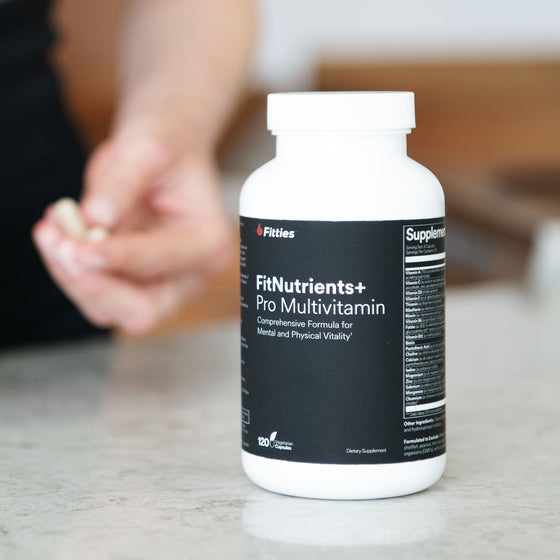
FitNutrients+ delivers metabolically active B vitamins such as pyridoxal 5'-phosphate B6 and methylfolate, plus thiamin, zinc, magnesium and vitamins A, C and E. It uses Albion® chelated minerals and Quatrefolic® folate in a four-capsule daily serving.
Shop FitNutrients+The Calorie Cost of Common Drinks
Most people dramatically undercount alcohol calories because they don't think of drinks the way they think of food. Here's a quick reference to recalibrate your mental math.
| Drink | Serving | Approx. Calories |
|---|---|---|
| Light beer | 12 oz | 90-110 |
| Regular beer | 12 oz | About 150 |
| Craft/IPA | 12 oz | 200-300+ |
| Dry wine (red or white) | 5 oz | 110-130 |
| Sweet/dessert wine | 5 oz | 150-200+ |
| Spirits (neat or with soda water) | 1.5 oz | 90-100 |
| Rum and coke | ~10 oz | 240+ |
| Margarita | ~8 oz | 275-400+ |
The pattern is clear. Base spirits are relatively lean. It's the mixers, syrups, and cream that send calorie counts into meal territory. A single craft cocktail can rival a full dinner in caloric load.
Alcohol, Muscle Recovery, and Protein Synthesis
If you're training to build or maintain muscle, alcohol introduces friction at every stage of the recovery process.
Research suggests that heavy alcohol consumption may reduce the rate of muscle protein synthesis (MPS), the process your body uses to repair and build muscle fibers after training. This is especially problematic in the hours following a workout, when muscles are primed to absorb nutrients and begin rebuilding. Drinking during that recovery window may blunt the very adaptations you trained for.
Alcohol may also shift the hormonal environment in directions that don't favor muscle growth. Research has associated heavy drinking with temporary reductions in testosterone and increases in cortisol (Rachdaoui and Sarkar, 2017), a stress hormone that drives muscle protein breakdown (StatPearls, 2025). For a deeper look at the mechanisms behind alcohol's impact on muscle, see our companion piece on alcohol and muscle growth.
Then there's dehydration. Alcohol is a diuretic, meaning it accelerates fluid loss. Dehydrated muscles are more susceptible to cramping, and reduced blood flow limits the delivery of nutrients your muscles need to recover. If you're drinking, you're also losing electrolytes like potassium and magnesium through increased urination, which compounds the recovery deficit.
Here is the practical takeaway. If you're going to drink on a training day, do it as far from your workout as possible. The post-workout window where your muscles are most receptive to nutrition is exactly the window alcohol is most likely to interfere with. Prioritize protein and hydration first; save the drinks for later.
How Alcohol Disrupts Sleep
This is the one most people get wrong. Alcohol makes you fall asleep faster, so it feels like a sleep aid. It isn't.
While alcohol's sedative effect accelerates sleep onset, it disrupts sleep architecture as your body metabolizes it. REM sleep, the stage most critical for cognitive function and memory consolidation, takes the biggest hit. Research suggests that even moderate drinking in the evening can cut REM sleep and disrupt the second half of the night. A review of studies in healthy volunteers found total-night REM sleep fell in most studies at moderate and high doses, and sleep disruption in the second half of the night increased at all doses (Ebrahim et al., 2013).
For anyone training seriously, that matters because sleep is part of recovery, and the disruption lands in the second half of the night.
If you're going to drink, earlier in the evening is better than later, and spacing water between drinks helps your body clear the alcohol before bedtime. For more on how sleep quality shapes recovery, check out our guide to sleep and physical wellbeing.
Practical Strategies for Smarter Drinking
You don't need to go dry to protect your progress. You need a plan. Here are the highest-leverage moves.
- Choose lower-calorie options. Spirits with soda water or a squeeze of citrus, dry wines, and light beers are the cleanest choices. Skip sugary cocktails, cream-based drinks, and anything with a pre-made mix.
- Alternate every drink with water. It slows your pace and supports hydration.
- Eat before you drink. A meal with protein and healthy fats slows alcohol absorption, stabilizes blood sugar, and reduces the likelihood of impulsive food choices later. Think grilled chicken, eggs, or a handful of nuts, not an empty stomach.
- Set a number and stick to it. Decide how many drinks you'll have before you start. The 2020-2025 Dietary Guidelines for Americans set a limit of 2 drinks or less a day for men and 1 or less for women; the 2025-2030 edition simply advises drinking less.
- Separate drinking from training days. If you train in the morning, drinking that evening is less disruptive than drinking the night before a session. Give your body the recovery window it needs.
- Track it like you track food. If you're counting macros, alcohol calories deserve the same scrutiny. Budget for drinks the same way you'd budget for a dessert.
Nutritional Support for Regular Drinkers
Even moderate, consistent alcohol consumption can chip away at your micronutrient status. The B vitamins are hit especially hard. Alcohol reduces the absorption of thiamine (B1), B6, and folate, all of which play roles in energy production and nervous system function. Electrolytes like magnesium and potassium are flushed through alcohol's diuretic effect. Antioxidant vitamins A and C may also be depleted over time.
A multivitamin/mineral supplement increases nutrient intakes and helps people get recommended amounts when food alone falls short, according to the NIH Office of Dietary Supplements.
If your protein intake tends to slip on drinking days, a quality protein shake the morning after can help close the gap. FitWhey+ has 21 grams of whey protein per serving, and FitPlant+ has 15 grams of protein from pea and rice. Pairing that shake with water and a balanced meal is about the best thing you can do for your body the day after drinking.
The Bottom Line
Alcohol is not a performance enhancer. It slows fat burning while you process it, can blunt muscle recovery, and disrupts the second half of your sleep, and heavy drinking is linked to lower levels of some nutrients.
What is debatable is whether the tradeoff is worth it to you, and that's a personal call. Most people don't need to quit drinking to hit their fitness goals. They need to stop pretending it doesn't count. Track the calories. Hydrate aggressively. Protect your recovery window. And on the days you do drink, own the choice instead of rationalizing it.
Fitness is a long game. A few drinks on a Saturday night won't erase months of consistent training and solid nutrition. But a pattern of ignoring alcohol's real costs will slowly erode the results you're working for. The difference between people who stay in shape and drink socially and people who don't isn't willpower. It's awareness.
And as with any change to your nutrition or supplement routine, it's worth having a conversation with a healthcare professional who knows your individual situation.
FitNutrients+
FitNutrients+ delivers metabolically active B vitamins such as pyridoxal 5'-phosphate B6 and methylfolate, plus thiamin, zinc, magnesium and vitamins A, C and E. It uses Albion® chelated minerals and Quatrefolic® folate in a four-capsule daily serving.
Shop FitNutrients+


