
The Fitties Journal
Sugar-Free Electrolyte Powder: 7 Things to Check Before You Buy
Key Takeaways
Here's what matters most if you're short on time.
- Sugar-free on the front means nothing until you read the sweetener line; many mixes swap sugar for sucralose or acesulfame potassium.
- Sodium, potassium, and magnesium doses should be printed per serving, not hidden in a proprietary hydration blend.
- Carbs mainly earn their place in vigorous sessions over an hour; for everyday hydration, sugar is optional.
- Check whether your electrolyte mix contains caffeine before you drink it late in the day.
A sugar-free electrolyte powder should do exactly two things. It should put real doses of sodium, potassium, and magnesium back in your water, and skip the sugar entirely. Most of the category manages neither. Walk the hydration aisle and you will find powders that swap sugar for artificial sweeteners and call it clean, and "electrolyte blends" dosed so lightly they are basically flavored water with a mineral garnish. The fix is not a better marketing claim. It is a better label read.
This guide covers the seven checks that separate a real formula from a pretty pouch, including the actual electrolyte doses, the sweetener system, what got left out, and whether caffeine belongs in your mix at all.
Do electrolyte powders need sugar to work?
No. For everyday hydration and typical training sessions, sugar is not what makes an electrolyte powder work. Electrolytes are charged minerals, sodium, potassium, and magnesium among them, that help regulate fluid balance, nerve signaling, and muscle function. Those minerals do their job with or without a sugar payload riding along.
The honest nuance is that carbohydrates do earn a seat during long, hard efforts. The joint sports nutrition position of the American College of Sports Medicine and two dietetics bodies puts numbers on it, with no carbs needed for sessions under 45 minutes, and 30 to 60 grams an hour for endurance efforts of one to two and a half hours, where fast carbs and fluid together make sense. If that is your Saturday long ride, carbs are a tool. But the classic sports drink brings about 20 grams of sugar per 12-ounce bottle, according to USDA FoodData Central, and the FDA's Daily Value for added sugars is 50 grams per day. One large bottle can burn most of that budget on sugar engineered for a finish line, not a desk. For everyday hydration, the sugar is a legacy feature, not a requirement.
FitBoost+
FitBoost+ is a sugar-free training formula with electrolytes, Albion chelated minerals, 3g creatine, 400mg Peak ATP, bioactive B vitamins, 500mg vitamin C, and a blend that includes a caffeine pterostilbene cocrystal and yields 95mg of total caffeine. Zero sugar, no artificial sweeteners. On training days, the label directs one scoop 30 minutes before your workout.
Shop FitBoost+What should you look for in a sugar-free electrolyte powder?
Seven checks, in the order the label reveals them. A formula that passes all seven is rare, which is exactly the point.
1. A disclosed sodium dose
Sodium is the electrolyte you lose most in sweat, and the first number worth reading. If the label buries sodium in a "hydration blend" or does not state a per-serving amount, put it back. Doses across the category range widely, from light daily mixes to heavy-sweat formulas; what matters is that the number is printed, so you can match it to how much you actually sweat.
2. Potassium and magnesium, actually present
Sodium gets the headlines, but adults need about 3,400 mg of potassium per day (2,600 mg for women) and 400 to 420 mg of magnesium (310 to 320 mg for women), and most American diets come in below the recommended amounts for both. A powder that contributes a meaningful chunk of that, not a sprinkle for label decoration, is doing real work. Check the forms too. A label that names its specific mineral forms is disclosing more than one that just says "magnesium" and moves on.
3. A sweetener system you would choose on purpose
"Sugar-free" on the front tells you nothing about what replaced the sugar. Flip to the ingredient list. Many mixes lean on sucralose or acesulfame potassium; if you would rather not trade sugar for a synthetic sweetener, look for stevia or monk fruit instead. We broke down why zero-calorie sweeteners are not all equal if you want the full picture before you pick a side. The same read applies to protein. Here is how to tell which sweetener is doing the work in a powder that claims to have none.
4. No artificial colors
An electrolyte powder does not need to glow. Dyes add nothing but shelf appeal, and the better formulas skip them entirely. Natural fruit and vegetable powders can do the tinting where color exists at all.
5. Full disclosure, no fairy dust
The industry's favorite trick is the proprietary blend, a long, impressive ingredient list with no doses attached, so you cannot tell the clinical amounts from the pixie dust. Every mineral should carry a number. A mineral dose you cannot see is a dose you cannot trust.
6. The format that fits your life
Stick packs travel and pre-measure every dose; tubs are cheaper per serving but stay home, and an unmeasured scoop is one more variable in the mix. Neither is wrong. Just decide whether your electrolytes need to live in a gym bag, a desk drawer, or a kitchen counter, and buy the format that will actually get used.
7. Caffeinated or not, chosen deliberately
Some electrolyte powders are pure minerals. Others are built as energy drink mixes with caffeine on board. Both are legitimate; drinking one without knowing which you bought is not. More on this below, because it is the difference between an afternoon glass of water and an accidental 9 p.m. wake-up call.
Sugar-free electrolyte powder vs sports drinks: what is the real difference?
The short version is that a sugar-free electrolyte powder delivers the minerals without the sugar, the calories, or the dye job, and lets you dose your carbs separately when a session actually calls for them. The bottled classic bundles everything together whether you need it or not, at about 20 grams of sugar per 12 ounces, per USDA FoodData Central.
| What you get | Typical sports drink | Sugar-free electrolyte powder | Plain water |
|---|---|---|---|
| Added sugar | About 20 g per 12 oz | 0 g | 0 g |
| Calories | Mostly from sugar | Near zero | Zero |
| Electrolytes | Modest sodium and potassium | Disclosed doses, often broader minerals | Trace |
| Best fit | Long, vigorous sessions over an hour | Daily hydration, training, low-carb days | Everything else |
Notice that the table does not say that water is obsolete. It is not, and any brand implying you need a powder in every glass is selling you scenery. Water covers most of life. The powder earns its slot when sweat, heat, or a low-carb day raises the stakes. On keto specifically, our keto electrolytes guide breaks down the exact daily targets.
Should your electrolyte powder have caffeine?

It depends on which glass of water you are upgrading. If you are replacing a morning energy drink or a pre-training pick-me-up, a caffeinated electrolyte mix consolidates two habits into one stick. If you are hydrating all day, you want the caffeine-free kind, or a hard rule about the clock.
This is where reading the label stops being optional. FitBoost+, Fitties' sugar-free training and electrolyte drink mix, is deliberately the caffeinated kind. Per its label, it pairs electrolytes, Albion chelated minerals and bioactive B vitamins with 500 mg of vitamin C and a 465 mg proprietary blend that includes a caffeine pterostilbene cocrystal and yields 95 mg of total caffeine, plus 3 g of creatine monohydrate and 400 mg of Peak ATP®. It carries zero sugars and is formulated to exclude artificial sweeteners and artificial colors. That is a morning-and-training formula, not a bedtime one.
Whatever brand ends up in your cart, respect the stimulant math. The FDA cites 400 mg of caffeine a day as an amount not generally associated with negative effects for healthy adults, and your coffee already counts against it. FitBoost+'s label is equally direct. Consult your healthcare professional prior to use, discuss potential interactions with your healthcare professional if you take medication, especially blood thinners, do not combine caffeine with synephrine or ephedrine, and use caution if you have a history of abnormal heart rhythm.
When does a sugar-free electrolyte powder actually make sense?
Sweat is the deciding variable. In normative data across sports, endurance athletes averaged about 1.3 liters of sweat per hour, losing roughly 52 mmol of sodium per hour, which is about 1.2 grams of sodium gone in a single hard hour. Plain water refills the fluid but not the minerals. That is the gap a real electrolyte powder exists to close.
In practice, the powder earns its place on sweaty training days and summer sessions, during long stretches outdoors in the heat, on low-carb or fasting days when you are skipping the foods that normally carry sodium and potassium, and as a daily upgrade for people who find plain water uninspiring enough that they simply do not drink it. It is not a medical treatment for anything, and if your clinician has you tracking sodium or you manage a condition with your diet, ask them before adding any electrolyte product to the rotation. And if muscle cramps are the reason you are eyeing electrolytes, read whether electrolytes help with muscle cramps first, because the honest answer is more limited than the ads suggest.
One more honest note, because the industry will not say it, is that more is not better. Matching intake to sweat beats megadosing, and the printed dose on a good label is what makes that possible in the first place. That is the whole thesis of this guide. The category's best formulas are not the loudest ones; they are the ones that put every number on the panel and let you do the math. Read the label like you formulated it, and the right powder picks itself. For the deeper science on what you lose when you sweat, our guide to electrolytes and hydration for athletes picks up where this one ends.
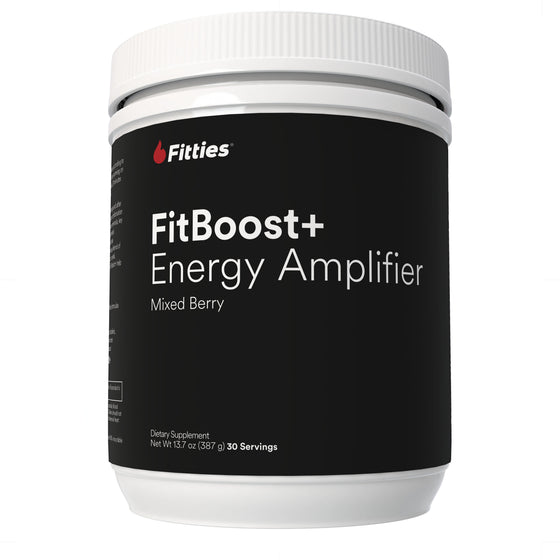
FitBoost+
FitBoost+ is a sugar-free training formula with electrolytes, Albion chelated minerals, 3g creatine, 400mg Peak ATP, bioactive B vitamins, 500mg vitamin C, and a blend that includes a caffeine pterostilbene cocrystal and yields 95mg of total caffeine. Zero sugar, no artificial sweeteners. On training days, the label directs one scoop 30 minutes before your workout.
Shop FitBoost+