The Fitties Journal
High-Protein Meals in Under 10 Minutes
Key Takeaways
Here's what matters most if you're short on time.
- Protein powder mixed into oatmeal, smoothies, or water is the fastest way to hit your protein targets when whole-food meals are not an option.
- Every quick meal should aim for a balance of protein, complex carbohydrates, and healthy fats to support sustained energy and satiety.
- Batch cooking proteins on a rest day can cut weekday meal prep time to under five minutes per meal.
- Most commercial protein bars and pre-made smoothies are loaded with added sugars; reading labels and choosing clean options matters.
- Supplemental protein is a tool, not a replacement for whole food. Use it to fill gaps, not build your entire diet around it.
You already know what you should be eating. The problem is not knowledge. It is time. Between work, training, and everything else competing for your hours, nutrition is usually the first thing that gets downgraded from "intentional" to "whatever is fastest."
The irony is that the people who need quality nutrition the most, those training hard and pushing their bodies, are often the ones most likely to skip meals or reach for junk out of pure convenience. That does not have to be the trade-off. With the right approach, high-protein, macro-balanced meals can take less time than waiting in a drive-through line.
What follows are practical meal ideas you can prepare in under 10 minutes. No elaborate recipes. No rare ingredients. Just real food strategies that deliver the protein, carbohydrates, and fats your body needs to perform.
Why Protein Should Anchor Every Quick Meal
Protein is the most important macronutrient to prioritize when you are short on time. It supports lean muscle maintenance, plays a role in satiety, and has the highest thermic effect of any macronutrient, meaning your body uses more energy to digest it. When a meal is thrown together quickly, protein is the one thing you cannot afford to skip.
The general recommendation for active individuals is to distribute protein intake evenly across meals, targeting roughly 20-40g per serving depending on body weight and training demands. This is where supplemental protein becomes a genuinely practical tool, not a shortcut, but a way to fill the gaps that time constraints create.
FitWhey+
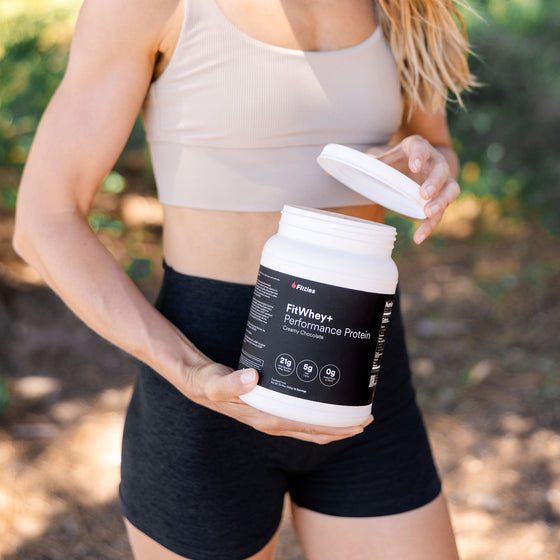
FitWhey+ delivers 21g of New Zealand whey protein per serving, sourced from grass-fed, rBST/rBGH hormone-free cattle. Sweetened with monk fruit, with zero added sugar or stevia. Includes Aminogen, listed on the label as fungal proteases.
Shop FitWhey+Protein Shakes: The Two-Minute Baseline
A quality protein powder mixed with cold water is the fastest way to get 20+ grams of protein into your system. It takes less than 60 seconds to prepare and requires zero cleanup beyond rinsing a shaker bottle.
Not all protein powders are equal, though. Many commercial options rely on soy protein isolates, artificial sweeteners, and fillers that undermine the purpose of supplementing in the first place. FitWhey+ uses 100% New Zealand whey protein concentrate from grass-fed, rBST/rBGH hormone-free cattle, sweetened with monk fruit. No added sugar, no stevia, no artificial sweeteners. It also includes Aminogen®, a blend of fungal proteases.
For those avoiding dairy, FitPlant+ delivers 15g of plant-based protein per serving from a blend of pea protein isolate and rice protein concentrate. It is formulated to exclude gluten, soy protein, dairy, and the other common allergens listed on its label.
Build Your Own Quick Meal
The meals below are templates, not rules. If you would rather assemble your own around a protein target, the builder does the math. Pick a base, a protein, and a couple of add-ins, and it returns the macros. Two minutes, and you have something you will actually make again.
Protein-Infused Oatmeal Bowl
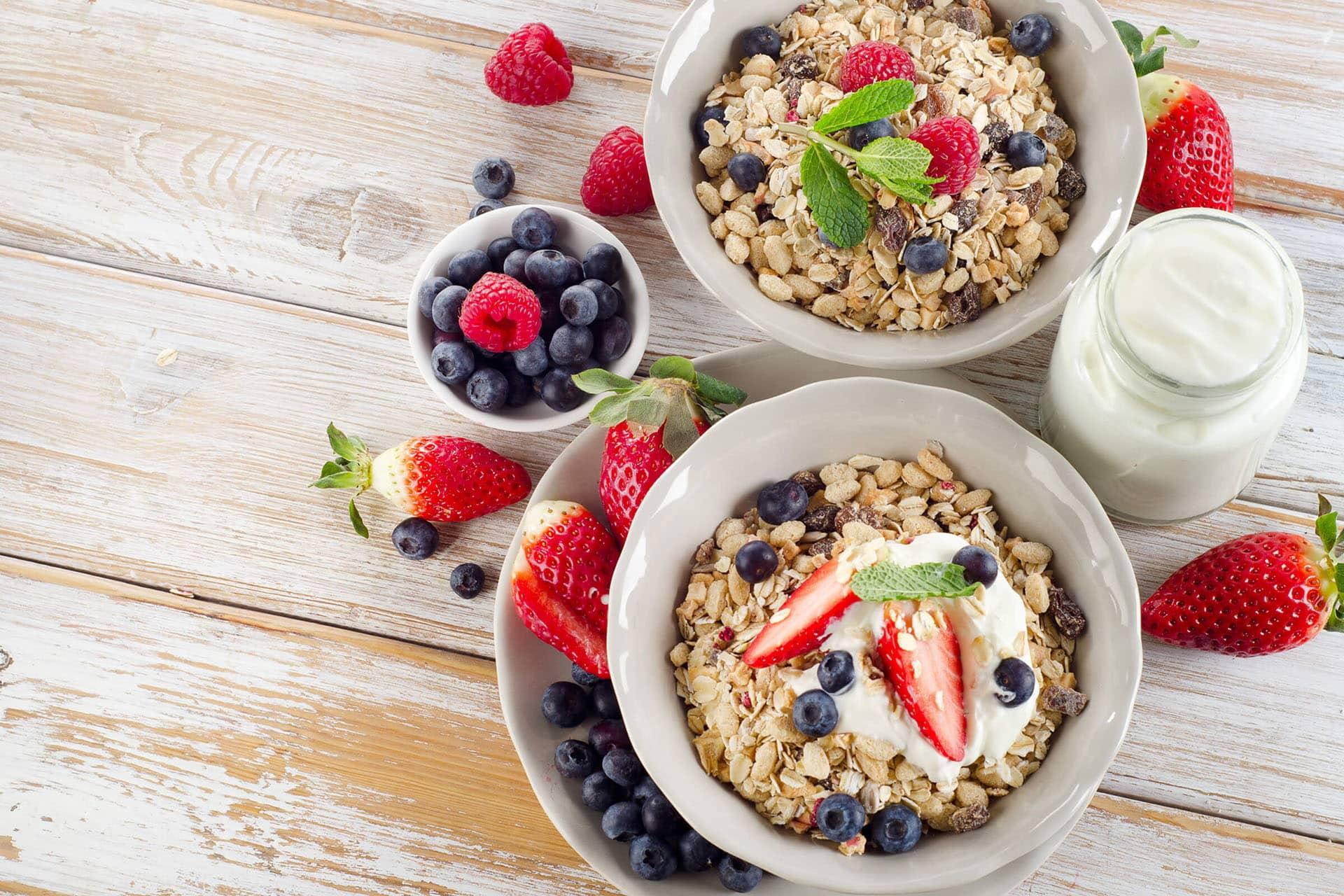
Cook a serving of plain instant oats according to the package directions. While it is still warm, stir in a scoop of whey or plant protein powder until it is fully incorporated. Top with a tablespoon of natural nut butter for healthy fats and half a sliced banana or a handful of berries for micronutrients and fiber.
Total time is under five minutes. What you get is a balanced meal with protein, complex carbohydrates, healthy fats, and fiber that will sustain your energy through a busy morning. The same time-pressed logic applies to training, which our micro workouts guide covers. This is one of the simplest high-protein breakfasts that actually keeps you full.
Greek Yogurt Parfait
Plain, low-fat Greek yogurt delivers roughly 15-20g of protein per serving, making it one of the most protein-dense whole foods you can grab without cooking. Layer it with slivered almonds or walnuts for healthy fats, a tablespoon of dried fruit or fresh berries, and a small portion of low-sugar granola or toasted oats for crunch.
This works as a mid-morning snack or a light lunch and requires nothing more than a spoon. The combination of dairy protein, healthy fats, and fiber supports both satiety and calcium intake, which plays a role in maintaining bone health.
Canned Protein Pita Wraps
Canned tuna, salmon, or chicken is one of the most underrated quick-meal proteins. Pop the top, drain the liquid, and stuff the protein into a whole-wheat pita with shredded lettuce, diced peppers, cucumbers, or any raw vegetables you have on hand. Drizzle with an olive oil-based dressing for a dose of monounsaturated fats.
Wrap it in foil, pair it with a piece of fruit, and you have a complete lunch that took under five minutes to assemble. Canned fish also delivers omega-3 fatty acids, and a 2026 meta-analysis of placebo-controlled trials found that omega-3 supplements reduced muscle soreness after hard, muscle-damaging exercise, though the authors called the overall evidence mixed (Yaghoobi et al., 2026).
Protein Smoothies Done Right
The problem with most store-bought smoothies is that they are sugar delivery vehicles disguised as health food. Many contain fruit juice concentrates, flavored syrups, and processed additives that spike your blood sugar without delivering meaningful protein.
A better approach is to blend a scoop of protein powder with plain Greek yogurt, unsweetened almond milk, a handful of frozen fruit, and a tablespoon of nut butter or ground flaxseed. Add ice. That is it. You control the ingredients, the macronutrient balance, and the sugar content.
If you need additional carbohydrates to support training, blending in a quarter cup of dry oats adds complex carbs without added sugar. This protein-carbohydrate combination works well as a post-workout meal or a mid-afternoon replacement when whole food is not available.
Grilled Chicken with Quick Sides
A boneless chicken breast on a countertop grill takes roughly 8-10 minutes. While it cooks, microwave a sweet potato or prepare a serving of instant brown rice. Add a side of steamed vegetables or a pre-washed salad with balsamic vinaigrette, and you have a complete dinner built around lean protein, complex carbohydrates, and micronutrient-rich vegetables.
The real time saver here is batch cooking. Grill several chicken breasts on a weekend, wrap them individually, and freeze them. During the week, you can defrost and reheat a pre-cooked breast in minutes, cutting your dinner prep time in half. The more often you cook protein in bulk, the less time you spend cooking during the week.
Cottage Cheese and Nut Butter
This is the simplest pre-bed option on the list. Cottage cheese provides casein protein, which is digested more slowly than whey and may help sustain amino acid availability during your overnight fasting period. Mix in a tablespoon of natural almond or peanut butter for healthy fats, which further slows digestion.
Prep time is under a minute. It is not glamorous, but it delivers protein and fat with minimal effort when you need a final meal before sleep.
Nuts: The Portable Protein and Fat Source
A single ounce of almonds or peanuts packs roughly 6-7g of protein alongside healthy monounsaturated fats and fiber. They require no refrigeration, no preparation, and fit in a pocket. The catch is that nuts are calorie-dense. A small serving delivers significant energy, which is great if you need it and problematic if you are not paying attention to portion size. Weigh or pre-portion your servings to stay in control.
What to Watch Out For
Not everything marketed as "high protein" or "healthy" lives up to the claim. A few things are worth watching.
- Protein bars: Many are glorified candy bars with some protein added. Read the label. Look for minimal ingredients, low added sugar, and a primary protein source you recognize. If the ingredient list reads like a chemistry experiment, move on.
- Pre-made smoothies: Store-bought smoothies often contain fruit juice concentrates and added sugars that negate the nutritional benefits. Making your own takes the same amount of time and gives you full control.
- Flavored yogurts: Flavored varieties can contain as much sugar as a dessert. Stick with plain Greek yogurt and add your own toppings.
The supplement industry has the same problem. Many protein powders use cheap fillers, artificial sweeteners, and protein sources of questionable quality. This is one area where ingredient quality matters significantly. A protein powder sourced from rBST/rBGH hormone-free, grass-fed cattle and sweetened with monk fruit instead of sucralose or aspartame is a meaningfully different product from what fills most shelves. Learning to read supplement labels is one of the most valuable skills you can develop.
Building the Habit
Quick, high-protein meals are not about perfection. They are about consistency. The goal is not to prepare restaurant-quality meals every day. It is to make sure that even on your busiest days, your body gets the protein, carbohydrates, and fats it needs to support your training, your recovery, and your health.
Here are a few strategies that make this sustainable. Keep protein powder, canned protein, nuts, and oats stocked at all times. Batch cook on weekends. Pre-portion snacks. Keep a shaker bottle at your desk or in your bag. These small systems eliminate the decision fatigue that leads most people to reach for whatever is easiest rather than whatever is best.
If you are building or refining your macronutrient strategy, start with protein. Anchor every meal and snack around a quality protein source, then fill in carbohydrates and fats based on your energy needs and goals. As with all changes to your nutrition approach, consider consulting a healthcare professional or registered dietitian to ensure your strategy aligns with your individual health needs.

FitWhey+
FitWhey+ delivers 21g of New Zealand whey protein per serving, sourced from grass-fed, rBST/rBGH hormone-free cattle. Sweetened with monk fruit, with zero added sugar or stevia. Includes Aminogen, listed on the label as fungal proteases.
Shop FitWhey+