
The Fitties Journal
Omega-3 Fatty Acids: What Athletes Need to Know
Key Takeaways
Here's what matters most if you're short on time.
- Omega-3 fatty acids (EPA and DHA) support a healthy inflammatory response, which is critical for recovery between training sessions. Your body cannot produce them in adequate amounts, so they must come from diet or supplementation.
- Most modern diets are heavily skewed toward omega-6 fatty acids. Restoring a healthier omega-3 to omega-6 ratio is one of the highest-impact nutritional changes an athlete can make.
- Beyond inflammatory balance, omega-3s play a role in cardiovascular function, joint health, cognitive performance, and muscle protein synthesis.
- Fatty fish two to three times per week is the gold standard. When diet falls short, a high-quality fish oil or algae-based supplement can help fill the gap. Consult a healthcare professional for personalized guidance.
Omega-3 fatty acids, specifically EPA and DHA, are getting increasing attention in sports nutrition (Thielecke and Blannin, 2020), and for good reason. They play a role in everything from inflammatory balance to cardiovascular function to how well your brain performs under pressure. And yet, most athletes are not getting enough of them.
The gap between what your body needs and what the average diet provides is significant. Understanding why omega-3s matter, where to get them, and how much you actually need gives you a real advantage, one built on physiology rather than marketing hype.
What Omega-3 Fatty Acids Are and Why Athletes Need Them
Omega-3s are essential polyunsaturated fatty acids, meaning your body cannot synthesize them in adequate amounts. You have to get them from food or supplementation. There are three main types.
- ALA (alpha-linolenic acid): Found in plant sources like flaxseeds, chia seeds, and walnuts. ALA is the precursor form that the body converts to EPA and DHA, but conversion is very limited, with reported rates of less than 15%, according to the NIH Office of Dietary Supplements.
- EPA (eicosapentaenoic acid): Found primarily in fatty fish and algae. EPA and DHA are the omega-3s most studied for heart health, and higher levels of both tip the body's signaling molecules toward less inflammatory activity, according to the NIH Office of Dietary Supplements.
- DHA (docosahexaenoic acid): Also found in fatty fish and algae. DHA is especially concentrated in the brain and retina, where it forms part of cell membranes, according to the NIH Office of Dietary Supplements.
For athletes, EPA and DHA are the forms that matter most. They are the forms the sports trials test, and the results are mixed. A 2020 systematic review of 32 trials in athletes found consistent effects on reaction time, muscle recovery and an inflammatory marker, but no clear effect on endurance performance or muscle force (Lewis et al., 2020).
FitProtect
FitProtect provides 12.5 mg of MitoPrime L-ergothioneine per capsule, produced by fermentation. Vegetarian, with the full exclusion list on the label.
Shop FitProtectOmega-3s and Inflammatory Response
This is where omega-3s have the most direct impact on athletic performance. Intense training creates acute inflammation, a normal and necessary part of the adaptation process. The problem arises when that inflammatory response does not resolve efficiently, leading to a chronic, low-grade state that can impair recovery, increase injury risk, and drag down energy levels.
EPA and DHA support the production of specialized pro-resolving mediators (SPMs), molecules that help the body resolve inflammation after it has served its purpose. They also influence the balance between pro-inflammatory and anti-inflammatory signaling pathways. This does not mean omega-3s suppress inflammation entirely; rather, they support the body's ability to cycle through the inflammatory process and come out the other side efficiently.
The ratio of omega-3 to omega-6 fatty acids in your diet is a significant factor here. Most modern diets skew heavily toward omega-6s, which are abundant in vegetable oils, processed foods, and grain-fed meat. A diet high in omega-6s relative to omega-3s can promote a pro-inflammatory environment. Restoring a healthier ratio is one of the highest-impact nutritional changes an athlete can make.
Antioxidants are a separate question from omega-3s, and one worth knowing is L-ergothioneine. It is made only by some fungi and bacteria, so people get it from food, and it builds up to high levels in certain tissues; its antioxidant and cytoprotective properties have been shown mainly in lab studies (Halliwell et al., 2018). FitProtect delivers 12.5 mg of L-ergothioneine per capsule as MitoPrime®, produced via a proprietary fermentation-based method.
Beyond Inflammation: Cardiovascular, Joint, and Cognitive Benefits
The benefits of omega-3s extend well beyond inflammatory support.
Cardiovascular function: EPA and DHA have been widely studied for their role in supporting cardiovascular health. In otherwise healthy people with normal to borderline blood lipids, a review of 38 intervention studies found that EPA and DHA from fish, enriched foods or supplements lowered triglycerides (Leslie et al., 2015), and a 2024 meta-analysis of 32 trials found omega-3 supplements improved flow-mediated dilation, a measure of how well arteries widen as blood flow rises (Arabi et al., 2024).
Joint health: Joint stress is a reality for athletes, particularly in high-impact sports and endurance training. The evidence here is thin. The ISSN's 2025 position stand finds minimal evidence that omega-3 supplements change joint range of motion after muscle-damaging exercise, although they may reduce muscle soreness (Jäger et al., 2025).
Cognitive performance: DHA is a primary structural fatty acid in the brain. In a 2020 systematic review of 32 trials in athletes, fish oil supplements had consistent effects on reaction time (Lewis et al., 2020), which matters during training and competition.
Muscle protein synthesis: Emerging research suggests that omega-3 fatty acids may play a role in supporting muscle protein synthesis, though the positive results so far come mostly from older adults. In trained young men with high protein intake, 14 weeks of omega-3 supplements added nothing to resistance-training gains in muscle size or strength (Santo Andre et al., 2026). While this is a newer area of study, the mechanism is thought to involve improved sensitivity of muscle tissue to anabolic signaling. In an 8-week trial in 16 healthy older adults, omega-3s left resting muscle protein synthesis unchanged but amplified its response to amino acids and insulin (Smith et al., 2011).
Best Sources of Omega-3 Fatty Acids
Not all omega-3 sources are created equal. For athletes targeting EPA and DHA specifically, the hierarchy matters.
Fatty fish is the gold standard. Salmon, mackerel, sardines, herring, and anchovies are all rich in EPA and DHA. Two to three servings per week provides a strong dietary foundation. Wild-caught varieties tend to have favorable fatty acid profiles, though farmed fish can still be a meaningful source.
Plant-based sources like flaxseeds, chia seeds, hemp seeds, and walnuts provide ALA. While these are valuable for overall nutrition, athletes should understand that ALA-to-EPA/DHA conversion is limited. Plant-based athletes relying solely on ALA sources may want to consider algae-based EPA/DHA supplements to ensure adequate intake.
Algae-based supplements are the direct plant-based source of EPA and DHA, bypassing the ALA conversion bottleneck entirely. They are a strong option for vegetarians, vegans, and anyone who does not eat fish regularly.
Rounding out your overall micronutrient intake alongside omega-3s supports the broader nutritional foundation that athletic performance depends on. If you use a multivitamin for that, FitNutrients+ is one example. Its four-capsule serving includes 12.5 mcg (500 IU) of vitamin D3, 2 mg of zinc (as zinc bisglycinate chelate) and 17 mcg of selenium (as selenium glycinate complex).
Supplementation: Dosage, Quality, and Practical Guidance
For athletes who are not consistently eating fatty fish multiple times per week, supplementation is a practical way to close the gap.
Dosage: Sports trials have used a wide range of doses. Many of those reviewed in the ISSN's 2025 position stand fall between 1,000 and 3,000 mg of combined EPA and DHA per day, and some go higher (Jäger et al., 2025). Athletes with higher training volumes or those consuming very few omega-3-rich foods may benefit from the higher end of that range. A healthcare professional can help determine the right dose based on your individual needs, training demands, and current health status.
What to look for: Not all fish oil supplements are equal. Key quality markers include third-party testing for purity and potency, a clearly labeled EPA and DHA breakdown per serving (not just "total fish oil"), and a triglyceride or re-esterified triglyceride form for better absorption. Enteric-coated options can reduce the fishy aftertaste that some people experience.
Side effects: Omega-3 supplementation is generally well tolerated. Some individuals may experience mild gastrointestinal discomfort, especially at higher doses. Starting at a lower dose and increasing gradually can help. If you are taking blood-thinning medications or have a bleeding disorder, consult your healthcare provider before starting supplementation, as omega-3s may influence platelet function.
Timing: Taking omega-3 supplements with a meal that contains fat can improve absorption. Beyond that, pick a time of day you will stick with; our supplement timing guide covers how to fit it around the rest of your routine.
Putting It Together
Omega-3 fatty acids are not a magic bullet. They are a foundational nutrient that most athletes are not getting enough of, and closing that gap has measurable downstream effects on recovery, inflammatory balance, and overall health.
A practical approach looks like this.
- Eat fatty fish two to three times per week. This is the most efficient way to maintain EPA and DHA status through diet.
- Reduce omega-6 overload. Cut back on processed vegetable oils, fried foods, and heavily processed snacks that skew the omega-6 to omega-3 ratio.
- Supplement when diet falls short. A high-quality fish oil or algae-based supplement providing 1,000 to 3,000 mg of combined EPA and DHA can fill the gap.
- Support the broader foundation. Omega-3s work best alongside adequate macronutrient balance, quality sleep, hydration, and a nutrient-dense overall diet.
- Consult a professional. Work with a healthcare professional or sports nutritionist to determine the right dosage and approach for your individual needs.
If you are serious about performance and recovery, omega-3 intake is one of the simpler changes you can make, even though the performance research is still mixed (Lewis et al., 2020). The gap in most diets is real. Closing it is straightforward.
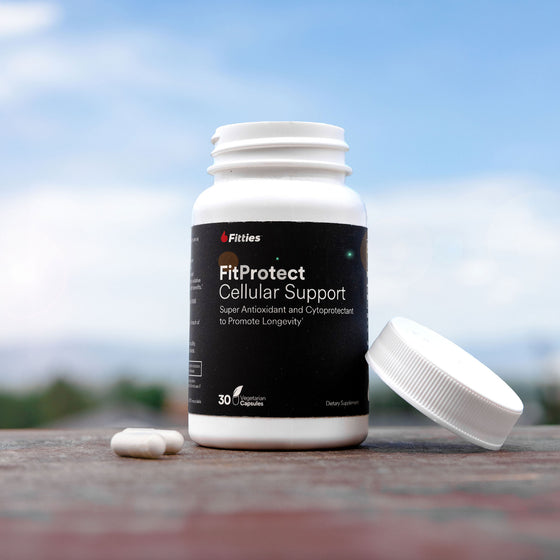
FitProtect
FitProtect provides 12.5 mg of MitoPrime L-ergothioneine per capsule, produced by fermentation. Vegetarian, with the full exclusion list on the label.
Shop FitProtect