The Fitties Journal
Inflammation and Nutrition for Athletes
Key Takeaways
Here's what matters most if you're short on time.
- Acute inflammation is a normal, beneficial response to training that supports tissue repair and adaptation. Chronic inflammation is what undermines performance, recovery, and long-term health.
- Diet is one of the most powerful tools for supporting a healthy inflammatory response. Omega-3 fatty acids, antioxidant-rich fruits and vegetables, and certain herbs and spices all play a role.
- Processed foods, refined sugars, excess omega-6 fatty acids, and alcohol can promote a pro-inflammatory state that works against athletic goals.
- Sleep, hydration, stress management, and targeted supplementation (including antioxidants and omega-3s) work alongside nutrition to keep inflammation in check.
Inflammation gets a bad reputation, but it's not inherently harmful. It's one of your body's most important defense mechanisms. The problem isn't inflammation itself. It's when the inflammatory response stays elevated long after it's needed.
For athletes, understanding the difference between helpful and harmful inflammation is essential. Your diet, recovery habits, and lifestyle choices directly influence which type predominates, and that has real consequences for how you perform, recover, and feel.
Acute vs. Chronic Inflammation: What Athletes Need to Know
When you train hard, your body initiates an acute inflammatory response. This is the normal, short-term process that helps repair microdamage to muscle fibers, clear metabolic waste, and trigger the adaptive processes that make you stronger. Acute inflammation is a sign that your body is doing exactly what it should after a challenging workout.
Chronic inflammation is different. It's a low-grade, persistent state where the body's inflammatory signaling doesn't fully resolve. Instead of cycling through inflammation and resolution efficiently, the system stays partially activated. Over time, this can affect multiple aspects of athletic performance.
- Recovery: When inflammatory signaling remains elevated, the body's ability to repair and rebuild tissue is compromised. Recovery between sessions takes longer, and adaptation to training stress can slow down.
- Energy and fatigue: Inflammatory cytokines can act on the brain to bring on fatigue, including a drop in motivation, and in healthy people higher C-reactive protein levels have predicted fatigue years later, according to a 2017 review (Karshikoff et al., 2017).
- Injury risk: Prolonged inflammation can weaken connective tissues like tendons and ligaments, increasing susceptibility to strains, sprains, and overuse injuries.
- Immune function: An overactive inflammatory state can suppress immune function, leaving athletes more vulnerable to illness during heavy training blocks or competition periods.
The goal for athletes isn't to eliminate inflammation. It's to support the body's ability to mount an effective acute response and then resolve it efficiently. Nutrition is one of the most direct levers you have for influencing that balance.
FitProtect
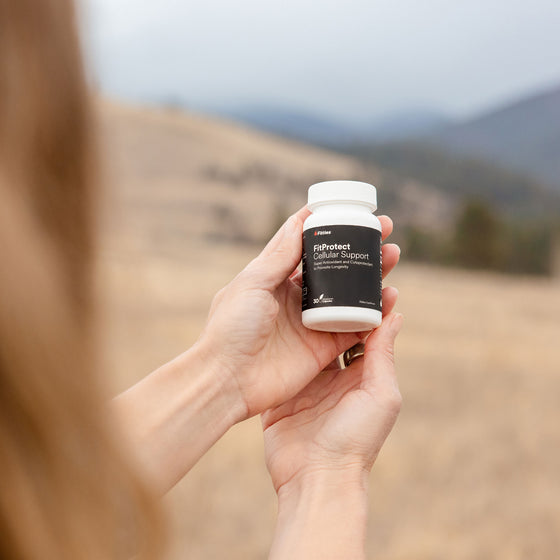
FitProtect provides 12.5 mg of MitoPrime L-ergothioneine per capsule, produced by fermentation. Vegetarian, with the full exclusion list on the label.
Shop FitProtectHow Nutrition Influences Inflammatory Response
What you eat has a measurable impact on your body's inflammatory environment. Certain foods and nutrients support a healthy inflammatory response, while others can push the balance toward chronic, unresolved inflammation.
Foods That Support a Healthy Inflammatory Response
Omega-3 fatty acids have been studied extensively for their role in inflammation, from cell mechanisms to human trials (Calder, 2017). Found in fatty fish (salmon, mackerel, sardines), walnuts, and flaxseeds, omega-3s support the production of specialized pro-resolving mediators (SPMs), which help the body resolve inflammation after it has served its purpose. The ratio of omega-3 to omega-6 fatty acids in your diet matters significantly. Most modern diets skew heavily toward omega-6s (from vegetable oils, processed foods, and grain-fed meat), which can promote a pro-inflammatory state.
Antioxidant-rich fruits and vegetables provide the vitamins, minerals, and polyphenols that help neutralize free radicals, which are byproducts of both exercise and inflammation. Berries, leafy greens, cruciferous vegetables (broccoli, Brussels sprouts, kale), tomatoes, and beets are particularly nutrient-dense choices. Variety matters here. Different colors represent different antioxidant compounds, so eating a wide range of produce gives you broader coverage.
Herbs and spices like turmeric (which contains curcumin), ginger, and garlic have been studied as supplements, and meta-analyses of randomized trials report that each lowered C-reactive protein, a marker of inflammation (Dehzad et al., 2023; Morvaridzadeh et al., 2020; Mirzavandi et al., 2020). Those were supplement trials, so they say little about the amounts used in cooking, though these spices are still an easy way to add flavor and variety to a whole-food diet.
Healthy fats from olive oil, avocados, nuts, and seeds provide monounsaturated fatty acids and additional polyphenols that support cellular health. Extra-virgin olive oil in particular contains oleocanthal, a compound that inhibited cyclooxygenase (COX) enzymes in the body's inflammation pathway in lab tests (Beauchamp et al., 2005).
Fiber-rich whole grains and legumes support gut health, which is increasingly recognized as a factor in systemic inflammatory balance. A healthy gut microbiome helps regulate immune function and inflammatory signaling throughout the body.
Foods That Can Promote a Pro-Inflammatory State
Just as certain foods support balance, others can tip the scales toward chronic inflammation.
- Refined sugars and processed carbohydrates: These can cause rapid spikes in blood glucose and insulin, which, over time, may promote a pro-inflammatory metabolic environment.
- Processed and fried foods: Often high in trans fats and omega-6 fatty acids, these shift the fatty acid ratio in a pro-inflammatory direction.
- Excess alcohol: Alcohol impairs gut barrier function, disrupts sleep quality, and can directly promote inflammatory signaling.
- Excess omega-6 fatty acids: While omega-6s aren't inherently bad, an imbalanced ratio of omega-6 to omega-3 (common in diets heavy in vegetable oils and processed foods) favors a pro-inflammatory state.
Beyond Diet: Lifestyle Factors That Influence Inflammation
Nutrition is the foundation, but it doesn't work in isolation. Several lifestyle factors interact with diet to determine your body's inflammatory balance.
Sleep is one of the most underrated factors in inflammatory regulation. Disturbed sleep is associated with higher levels of the inflammatory markers C-reactive protein (CRP) and interleukin-6, although a 2016 meta-analysis found no such link for short-term experimental sleep deprivation (Irwin et al., 2016). For athletes, prioritizing 7 to 9 hours of quality sleep per night supports both recovery and a healthy inflammatory response.
Hydration supports every cellular process in the body, including the resolution of inflammation. Dehydration can concentrate inflammatory mediators and impair the body's ability to clear metabolic waste from exercise.
Stress management matters because psychological stress directly elevates cortisol and pro-inflammatory cytokines. Chronic stress can create a feedback loop where elevated inflammation impairs sleep and recovery, which in turn elevates stress. Practices like meditation, breathing exercises, and regular movement outside of training can help break this cycle.
Active recovery techniques like light movement, foam rolling, and mobility work support blood flow and lymphatic drainage, both of which aid in the resolution of exercise-induced inflammation.
Supplementation for Inflammatory Balance
A whole-food diet is the foundation, but targeted supplementation can provide concentrated support where dietary intake alone may fall short.
Omega-3 fatty acids have a large research base here. A 2014 meta-analysis of 68 randomized trials found fish-derived omega-3 supplements lowered the inflammatory markers CRP, IL-6 and TNF-alpha (Li et al., 2014). If you're not regularly eating fatty fish two to three times per week, a high-quality fish oil supplement can help maintain a healthier omega-3 to omega-6 ratio.
Antioxidants help neutralize the free radicals generated by both intense exercise and the inflammatory process itself. L-ergothioneine, a naturally occurring amino acid derivative, is a cellular antioxidant and cytoprotectant that builds up most in tissues thought to face heavy oxidative stress (Borodina et al., 2020). Unlike some antioxidants, L-ergothioneine enters cells through a dedicated transporter. Cells that have it build up and hold on to ergothioneine, while cells without it take up almost none (Gründemann et al., 2005). FitProtect delivers 12.5 mg of L-ergothioneine per capsule as MitoPrime®, produced via a proprietary fermentation-based method.
Vitamin D plays a role in immune regulation and inflammatory balance. Many athletes, particularly those training indoors or in northern climates, have insufficient levels. Testing and targeted supplementation can address this common gap. FitNutrients+, a multivitamin and mineral formula, includes 12.5 mcg (500 IU) of vitamin D3 per four-capsule serving.
Curcumin (the active compound in turmeric) lowered inflammatory markers such as CRP in a 2023 meta-analysis of 66 randomized trials (Dehzad et al., 2023), though on its own it is poorly absorbed and quickly cleared (Anand et al., 2007). Look for formulations that include piperine or use enhanced delivery systems for better absorption.
As with any supplementation strategy, consult a healthcare professional or sports nutritionist to determine what's appropriate for your individual needs and training demands.
Putting It Together: A Practical Framework
Managing your body's inflammatory balance isn't about any single food or supplement. It's about building a consistent dietary and lifestyle pattern that supports resolution. Here's a practical framework.
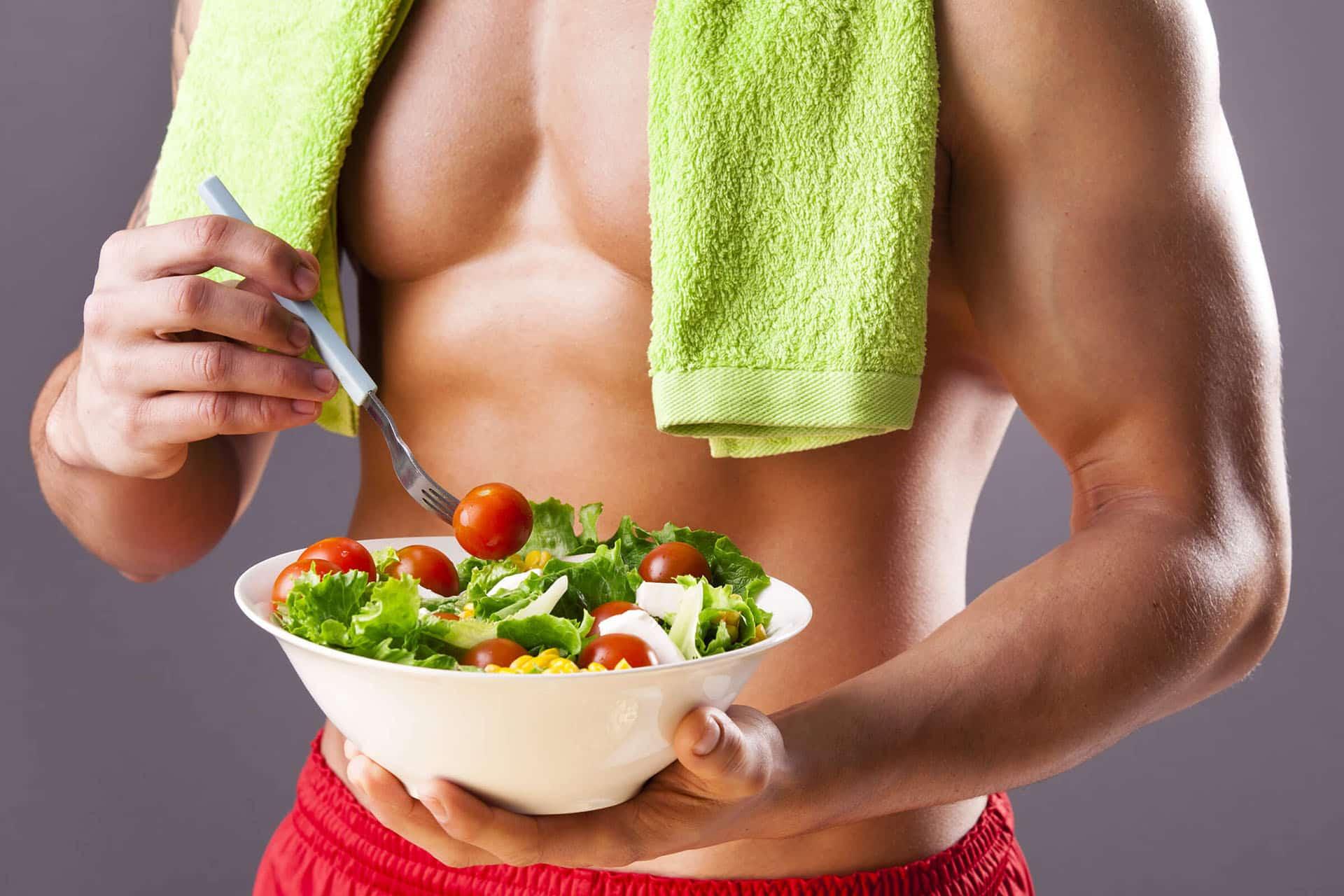
- Build meals around whole foods: Lean proteins, colorful vegetables, fruits, whole grains, and healthy fats should form the base of every meal.
- Prioritize omega-3 sources: Aim for fatty fish two to three times per week, or supplement with a quality fish oil.
- Eat the rainbow: Different colored fruits and vegetables provide different antioxidant compounds. Variety is more valuable than the volume of any single food.
- Minimize processed foods: Reduce intake of refined sugars, vegetable oils high in omega-6, fried foods, and heavily processed snacks.
- Support your foundations: Sleep, hydration, and stress management all contribute to how efficiently your body resolves inflammation.
- Supplement strategically: Use targeted supplements like omega-3s, antioxidants, and vitamin D to fill gaps that diet alone may not cover.
Conclusion
Inflammation is not the enemy. It's a critical part of how your body adapts to training. The real issue is when the inflammatory response stays elevated beyond its useful window, undermining recovery, performance, and long-term health.
The good news is that your diet gives you significant control over this balance. By building meals around nutrient-dense whole foods, prioritizing omega-3 fatty acids and antioxidant-rich produce, managing lifestyle factors like sleep and stress, and supplementing strategically where needed, you can support your body's ability to train hard, recover well, and perform at your best.
If you're looking to build a more complete nutritional strategy, consider working with a healthcare professional or sports nutritionist who can tailor recommendations to your training demands and individual health profile.
FitProtect
FitProtect provides 12.5 mg of MitoPrime L-ergothioneine per capsule, produced by fermentation. Vegetarian, with the full exclusion list on the label.
Shop FitProtect