The Fitties Journal
Alcohol and Fitness: What It Actually Costs You
Key Takeaways
Here's what matters most if you're short on time.
- Alcohol pauses fat oxidation because your body prioritizes metabolizing acetate over burning stored fuel.
- Even moderate drinking can reduce muscle protein synthesis rates during the post-workout recovery window.
- Alcohol fragments sleep architecture, suppressing the deep sleep stages where growth hormone release peaks.
- Choosing lower-calorie drinks and alternating with water are the highest-leverage habits for damage control.
- A broad-spectrum multivitamin may help offset the B-vitamin and mineral depletion that regular drinking accelerates.
You train hard. You eat well. Then Friday rolls around, you have a few drinks, and a quiet voice in the back of your head asks, did I just undo all of that?
Probably not. But alcohol does extract a real physiological cost, and most people underestimate it. The goal here is not to lecture you into sobriety. It's to give you a clear-eyed look at what alcohol actually does to your metabolism, your muscles, and your sleep, and then hand you practical strategies to limit the damage.
Knowledge is leverage. Use it.
How Alcohol Affects Your Metabolism
Your body treats alcohol as a toxin. That's not a moral judgment; it's a metabolic fact. The liver prioritizes clearing alcohol from your system above almost everything else, and that reprioritization has downstream consequences for how you process food and store energy.
When you drink, your liver converts ethanol into acetate. Once acetate enters the bloodstream, your body burns it preferentially as fuel. That means the fats and carbohydrates you ate alongside your drinks get sidelined and are more likely to be stored rather than oxidized for energy. Research suggests this metabolic shift lasts as long as your body is still processing alcohol. In a 24-hour metabolic chamber study, healthy men given about 96 g of alcohol over the day burned about a third less fat, with the drop confined to the hours when the alcohol was being consumed and metabolized (Suter et al., 1992).
Alcohol also disrupts blood sugar regulation. It can impair the liver's ability to produce glucose through a process called gluconeogenesis, which may lead to blood sugar dips, especially on an empty stomach. Low blood sugar triggers ghrelin (the hunger hormone), which is why 1 a.m. pizza feels like a survival need after a night out.
This creates a double calorie hit. The drinks themselves are calorie-dense (alcohol packs 7 calories per gram, nearly as much as fat), and the food decisions that follow tend to compound the surplus. Three beers and a late-night burger can easily add 1,200+ calories to your day, most of it with minimal nutritional value. For anyone tracking macronutrients, those numbers add up fast over a week of regular social drinking.
FitNutrients+
FitNutrients+ delivers metabolically active B vitamins such as pyridoxal 5'-phosphate B6 and methylfolate, plus thiamin, zinc, magnesium and vitamins A, C and E. It uses Albion® chelated minerals and Quatrefolic® folate in a four-capsule daily serving.
Shop FitNutrients+The Calorie Cost of Common Drinks
Most people dramatically undercount alcohol calories because they don't think of drinks the way they think of food. Here's a quick reference to recalibrate your mental math.
| Drink | Serving | Approx. Calories |
|---|---|---|
| Light beer | 12 oz | 90-110 |
| Regular beer | 12 oz | 150-200 |
| Craft/IPA | 12 oz | 200-300+ |
| Dry wine (red or white) | 5 oz | 110-130 |
| Sweet/dessert wine | 5 oz | 150-200+ |
| Spirits (neat or with soda water) | 1.5 oz | 90-100 |
| Rum and coke | ~10 oz | 240+ |
| Margarita | ~8 oz | 275-400+ |
The pattern is clear. Base spirits are relatively lean. It's the mixers, syrups, and cream that send calorie counts into meal territory. A single craft cocktail can rival a full dinner in caloric load.
Alcohol, Muscle Recovery, and Protein Synthesis
If you're training to build or maintain muscle, alcohol introduces friction at every stage of the recovery process.
Research suggests that heavy alcohol consumption may reduce the rate of muscle protein synthesis (MPS), the process your body uses to repair and build muscle fibers after training. This is especially problematic in the hours following a workout, when muscles are primed to absorb nutrients and begin rebuilding. Drinking during that recovery window may blunt the very adaptations you trained for.
Alcohol may also shift the hormonal environment in directions that don't favor muscle growth. Research has associated heavy drinking with temporary reductions in testosterone and increases in cortisol (Rachdaoui and Sarkar, 2017), a stress hormone that drives muscle protein breakdown (StatPearls, 2025). For a deeper look at the mechanisms behind alcohol's impact on muscle, see our companion piece on alcohol and muscle growth.
Then there's dehydration. Alcohol is a diuretic, meaning it accelerates fluid loss. Dehydrated muscles are more susceptible to cramping, and reduced blood flow limits the delivery of nutrients your muscles need to recover. If you're drinking, you're also losing electrolytes like potassium and magnesium through increased urination, which compounds the recovery deficit.
Here is the practical takeaway. If you're going to drink on a training day, do it as far from your workout as possible. The post-workout window where your muscles are most receptive to nutrition is exactly the window alcohol is most likely to interfere with. Prioritize protein and hydration first; save the drinks for later.
How Alcohol Disrupts Sleep
This is the one most people get wrong. Alcohol makes you fall asleep faster, so it feels like a sleep aid. It isn't.
While alcohol's sedative effect accelerates sleep onset, it disrupts sleep architecture as your body metabolizes it. REM sleep, the stage most critical for cognitive function and memory consolidation, takes the biggest hit. Research suggests that even moderate drinking in the evening can cut REM sleep and disrupt the second half of the night. A review of studies in healthy volunteers found total-night REM sleep fell in most studies at moderate and high doses, and sleep disruption in the second half of the night increased at all doses (Ebrahim et al., 2013).
For anyone training seriously, this matters because the deepest stages of sleep are when growth hormone release peaks and when much of the body's physical repair work happens. Glycogen replenishment, hormonal regulation, tissue repair. These processes all depend on quality sleep. Alcohol undercuts every one of them.
If you're going to drink, earlier in the evening is better than later, and spacing water between drinks helps your body clear the alcohol before bedtime. For more on how sleep quality shapes recovery, check out our guide to sleep and physical wellbeing.
Practical Strategies for Smarter Drinking
You don't need to go dry to protect your progress. You need a plan. Here are the highest-leverage moves.
- Choose lower-calorie options. Spirits with soda water or a squeeze of citrus, dry wines, and light beers are the cleanest choices. Skip sugary cocktails, cream-based drinks, and anything with a pre-made mix.
- Alternate every drink with water. This is the single most effective harm-reduction habit. It slows your pace, supports hydration, and cuts your total intake in half.
- Eat before you drink. A meal with protein and healthy fats slows alcohol absorption, stabilizes blood sugar, and reduces the likelihood of impulsive food choices later. Think grilled chicken, eggs, or a handful of nuts, not an empty stomach.
- Set a number and stick to it. Decide how many drinks you'll have before you start. Two is a solid ceiling for most people trying to protect training outcomes.
- Separate drinking from training days. If you train in the morning, drinking that evening is less disruptive than drinking the night before a session. Give your body the recovery window it needs.
- Track it like you track food. If you're counting macros, alcohol calories deserve the same scrutiny. Budget for drinks the same way you'd budget for a dessert.
Nutritional Support for Regular Drinkers
Even moderate, consistent alcohol consumption can chip away at your micronutrient status. The B vitamins are hit especially hard. Alcohol reduces the absorption of thiamine (B1), B6, and folate, all of which play roles in energy production and nervous system function. Electrolytes like magnesium and potassium are flushed through alcohol's diuretic effect. Antioxidant vitamins A and C may also be depleted over time.
A multivitamin/mineral supplement increases nutrient intakes and helps people get recommended amounts when food alone falls short, according to the NIH Office of Dietary Supplements. FitNutrients+ is formulated with bioactive B vitamins (including methylcobalamin B12 and pyridoxal 5'-phosphate B6) and Albion chelated minerals in a four-capsule daily serving.
If your protein intake tends to slip on drinking days, a quality protein shake the morning after can help close the gap. FitWhey+ has 21 grams of whey protein per serving, and FitPlant+ has 15 grams of protein from pea and rice. Pairing that shake with water and a balanced meal is about the best thing you can do for your body the day after drinking.
The Bottom Line
Alcohol is not a performance enhancer. It pauses fat burning, blunts muscle recovery, fragments sleep, and drains micronutrients. None of that is debatable.
What is debatable is whether the tradeoff is worth it to you, and that's a personal call. Most people don't need to quit drinking to hit their fitness goals. They need to stop pretending it doesn't count. Track the calories. Hydrate aggressively. Protect your recovery window. Support your nutritional baseline with quality supplementation. And on the days you do drink, own the choice instead of rationalizing it.
Fitness is a long game. A few drinks on a Saturday night won't erase months of consistent training and solid nutrition. But a pattern of ignoring alcohol's real costs will slowly erode the results you're working for. The difference between people who stay in shape and drink socially and people who don't isn't willpower. It's awareness.
And as with any change to your nutrition or supplement routine, it's worth having a conversation with a healthcare professional who knows your individual situation.
FitNutrients+
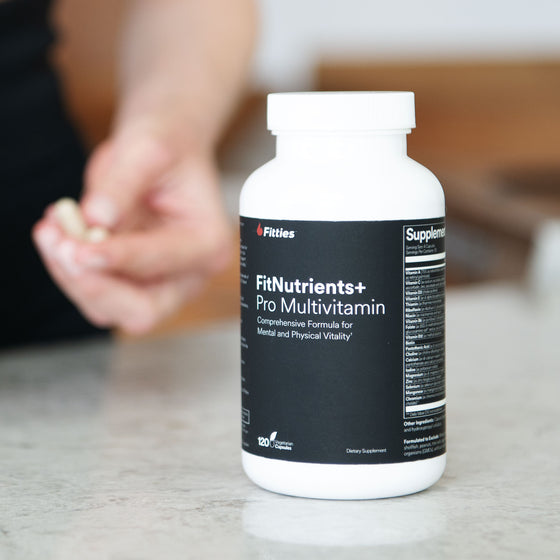
FitNutrients+ delivers metabolically active B vitamins such as pyridoxal 5'-phosphate B6 and methylfolate, plus thiamin, zinc, magnesium and vitamins A, C and E. It uses Albion® chelated minerals and Quatrefolic® folate in a four-capsule daily serving.
Shop FitNutrients+