
The Fitties Journal
Meal Replacement Ingredients That Matter
Key Takeaways
Here's what matters most if you're short on time.
- A real meal replacement needs protein, fiber, healthy fats, and key micronutrients, not just calories and flavoring.
- Protein shakes and meal replacement shakes serve different purposes; treating them as interchangeable undermines both.
- Ingredient transparency and digestion tolerance matter more than marketing claims or celebrity endorsements.
- Fiber is the difference between "a drink" and something that actually holds you over until your next meal.
- If a label hides its dosages behind proprietary blends, you are paying for trust you cannot verify.
Meal replacement supplements exist because real life doesn't always cooperate with your meal plan. You know what you should eat. You just don't always have the time, the access, or the energy to make it happen. A good meal replacement supplement fills that gap by delivering the nutrition of a complete meal in a drinkable form.
The problem? "Meal replacement" has become one of the most generous labels in the supplement industry. Some products are essentially protein powder with extra marketing. Others are closer to a balanced meal in a glass. This guide breaks down the ingredients that separate the two, what to look for on a label, what to avoid, and how to build your own shake that actually keeps you full.
What a Meal Replacement Should Contain
A high-quality meal replacement shake covers more than just protein and taste. Here's the shortlist.
High-quality protein in the range of 20-40g per serving, depending on your goals. Fiber from recognizable sources like inulin, psyllium husk, or oat fiber to support satiety and digestion. Healthy fats for satisfaction and fat-soluble vitamin absorption. Vitamins and minerals to approximate the micronutrient coverage of a real meal, especially if you're replacing one entirely. Minimal added sugar unless the product is intentionally higher-calorie for performance or weight gain. And clear labeling where you can see exactly what you're getting and how much.
If your goal is weight management, you'll generally want fewer calories with higher protein and enough fiber to manage hunger. If you're focused on building muscle or post-workout recovery, a higher-calorie option with more carbohydrates and strong protein content usually makes more sense.
FitPlant+
FitPlant+ delivers 15g of pea-and-rice protein per serving, plus 2.25g of chitin-glucan fiber and an array of added vitamins and minerals, with no added sugar and sweetened with monk fruit. A protein-forward base to build a balanced shake around.
Shop FitPlant+Meal Replacement vs. Protein Shake
A protein shake does one thing, which is to boost your protein intake. It's usually protein powder, flavoring, and not much else. Useful for training support, but it's not a meal.
A meal replacement shake is designed to replace a meal. That means it should include protein, fiber, healthy fats, and a broader vitamin and mineral profile. The distinction matters. If you're relying on a shake to carry you through a busy morning or a packed travel day, a protein-only product will leave you hungry, distracted, and raiding the nearest vending machine within an hour.
A protein supplement and a meal replacement serve different roles. Confusing them is one of the most common mistakes people make, and the supplement industry is happy to let you keep making it.
Build Your Own Meal Replacement Shake
If you want complete control over what goes into your shake, homemade is a great option. The key shift is to stop thinking "protein shake" and start thinking "blended meal."
If the interactive builder above doesn't cover your needs, here's the general framework. Start with a protein source (whey, pea, or a blend), add fiber (psyllium husk, chia seeds, oats, or prebiotic fiber), include a healthy fat (nut butter, seeds, or a small amount of MCT oil), optionally add carbohydrates (banana, berries, or other fruit), and throw in micronutrients (a handful of spinach or kale works). Use water, milk, or almond milk as your base depending on calorie needs and taste preference.
A well-built homemade shake and a quality pre-made formula accomplish the same thing. The difference is whether you want the convenience of a ready-made product or the control of doing it yourself.
How to Read a Meal Replacement Label
Before you get impressed by packaging, look at these six things.
Protein source and dose. Is it whey, pea, soy, or a blend? Does the label show a meaningful number (20g+), or is it protein-powder branding with a disappointing serving? Check the supplement label guide if you want to go deeper on reading nutrition panels.
Fiber type. Recognizable sources like oats, inulin, psyllium husk, or prebiotic fiber signal a formula designed for satiety, not just taste. A shake with zero fiber is a beverage, not a replacement.
Sweeteners and flavors. Natural flavors are standard and not automatically bad. But if the ingredient list is long, vague, and reads like a chemistry experiment, the formula may be built more for taste engineering than nutrition.
Texture ingredients. Emulsifiers like sunflower lecithin and thickeners like xanthan gum are common and generally fine. But if gums dominate the ingredient list and your digestion pays the price, the product isn't working for you.
Allergens. Dairy (whey, milk), soy, and sometimes gluten cross-contact are common in meal replacements. If you need gluten-free or dairy-free, don't assume. Look for explicit labeling.
Proprietary blends. Not always a dealbreaker, but if the label won't tell you how much of each ingredient you're getting, you can't compare quality. You're buying on faith, and faith isn't a great nutrition strategy.
High-Quality Protein Sources
Protein is the foundation of any meal replacement. It supports muscle maintenance, helps manage hunger, and gives the shake actual staying power. But not all protein is created equal.
Whey protein comes from cow's milk and is a complete protein, meaning it contains all essential amino acids. It's well-researched for muscle support and recovery, mixes easily and digests quickly, and milk protein scores at the top of the PDCAAS protein-quality scale, according to the International Society of Sports Nutrition. The catch is that if dairy doesn't agree with your digestion, whey isn't your friend. For a deeper look, see our guide to protein supplements.
Pea protein is one of the most common plant-based options and has gained serious ground in recent years. In a small crossover study of 32 men, a 20g pea protein drink taken 30 minutes before a meal cut later food intake about as much as casein, a dairy protein, and more than whey, though the effect disappeared when the drink was taken with the meal (Abou-Samra et al., 2011). Combined with rice protein, pea protein can achieve a complete amino acid profile. FitPlant+ uses this pea-rice combination (pea protein isolate plus rice protein concentrate) for 15g of protein per serving, and is formulated to exclude soy protein and dairy products.
Soy protein is also a complete plant protein and works well in shakes. It's a solid option for those who tolerate it, but soy is a common allergen, and some people prefer to avoid it. If that's you, check out our soy-free supplements guide.
Many quality formulas combine protein sources (pea + rice, for example) to improve the amino acid profile and taste. You may also see supporting amino acids like glycine, taurine, or L-glutamine. These can serve legitimate functional roles, but they should complement a strong protein base, not disguise a weak one.
Fiber and Fullness
Fiber is the single biggest difference between a shake that functions as a meal and one that leaves you hungry 45 minutes later. It slows digestion, supports gut health, and makes a liquid meal actually feel like food.
Prebiotic fiber feeds beneficial gut bacteria and supports digestion alongside fullness. It's a dual-purpose ingredient that earns its place on any label.
Inulin is a soluble fiber derived from chicory root, and it's common in meal replacement formulas because it mixes well and contributes to satiety. Some people experience gas or bloating at higher doses, so individual tolerance matters.
Psyllium husk is one of the most effective soluble fibers for promoting regularity and fullness. If there's one fiber that makes a shake feel more substantial, this is it.
Chia seeds and flaxseed bring both soluble and insoluble fiber plus healthy fats. Chia seeds naturally thicken shakes, which adds to the "this is actually food" sensation. Flaxseed provides omega-3 ALA and works well in homemade blends.
Whole-food fibers like oats can make a homemade shake more satisfying and easier to tolerate than formulas built entirely on isolates. If you're building your own, this is where real ingredients shine.
Healthy Fats
A shake without fat often feels incomplete, and there's a good reason for that. Dietary fat slows digestion, improves satisfaction, and helps your body absorb fat-soluble vitamins (A, D, E, K). Skipping fat in a meal replacement is like building a house and forgetting the roof.
Medium-chain triglycerides (MCTs) are often included for quick energy and a smoother texture. They add calories without heavy volume, which can be helpful for people who want a more substantial shake without drinking a liter of liquid.
Omega-3 fatty acids can come from flax or chia in plant-based formulas. Those supply ALA, the plant omega-3, which the body converts to EPA and DHA only in small amounts, at reported rates under 15 percent, according to the NIH Office of Dietary Supplements. For more on their role, see our piece on omega-3s and athletic recovery.
Nut butters and seeds are excellent whole-food fat sources in homemade shakes. They increase satiety and make a shake feel less like a "diet product" and more like actual food.
Vitamins and Minerals
If a product is positioned as a meal replacement, it should cover more than protein and taste. A real replacement helps fill in key nutrients you'd otherwise miss, supporting your body, your diet, and your training. For a helpful overview of what "balanced" typically includes, see the CDC's nutrition guidelines.
Vitamin D is commonly included because it's difficult to get adequate amounts from diet alone, and it's one of the nutrients many people under-consume. The NIH Office of Dietary Supplements has a clear primer on why it matters.
B vitamins play essential roles in energy metabolism, helping convert food into usable energy. That matters for both performance and just getting through the day without dragging.
Magnesium is involved in hundreds of bodily processes and is another nutrient many people under-consume. Its inclusion in a meal replacement is a good signal that the formula was designed with real nutritional coverage in mind, not just protein marketing.
A note on dosing. More is not always better. A solid meal replacement aims for balanced nutrition, covering meaningful amounts without turning the shake into a megadose multivitamin. If you want a standalone multivitamin, FitNutrients+ is one example, a four-capsule multivitamin and multimineral formula with metabolically active B vitamins and Albion chelated minerals.
Whole Foods and Antioxidants
The best formulas incorporate whole-food ingredients that add nutrients, antioxidants, and texture without relying on excessive additives. Berries for antioxidants, leafy greens for micronutrients, cocoa for plant compounds and taste. These ingredients signal that a formula was designed with real nutrition in mind, not just engineered in a flavor lab.
This is also where taste matters. A great shake shouldn't force you to choose between "healthy" and "tolerable." If drinking it feels like punishment, you won't stick with it, and consistency is what actually moves the needle.
Ingredients to Avoid
There's no universal "bad ingredient" list, but these are reliable red flags.
High added sugar (or sugar dressed up as a health ingredient). If you're using a shake for weight management and it has more sugar than a candy bar, it's working against you.
Low-dose protein with heavy flavor engineering. A shake with 10g of protein and a wall of thickeners and sweeteners can look like a replacement on the shelf, but it won't perform like one.
Proprietary blends that hide dosages. If the label won't tell you how much of each ingredient you're paying for, you can't make an informed comparison. That's not proprietary protection; it's opacity.
Excessive gums and thickeners. Small amounts are standard. But if your digestion consistently protests, the texture engineering isn't worth the tradeoff.
Allergen mismatches. If you need gluten-free, dairy-free, or soy-free, be strict about checking labels. Many people feel "off" from a shake simply because they chose a formula that doesn't match their tolerance, not because meal replacements don't work.
Also watch for "diet" shakes that are ultra-low calorie but light on both protein and fiber. Fewer calories in the moment doesn't help if the shake leaves you hungry, uncomfortable, and overeating at your next meal.
Plant-Based vs. Whey: How to Choose
Choose whey protein if you tolerate dairy well, you're optimizing for muscle support and post-workout recovery, and you prefer a smoother, creamier texture. FitWhey+ sources its whey from New Zealand grass-fed, rBST/rBGH hormone-free cattle, and its ingredients include Aminogen® protease enzymes and inulin from chicory.
Choose plant-based options if dairy doesn't agree with you, you prefer a vegan formula, or you want ingredients that lean more toward whole foods. FitPlant+ combines pea protein isolate and rice protein concentrate for 15g of protein per serving, with 2.25g of chitin-glucan fiber and an array of vitamins and minerals, including activated B vitamins and Albion chelated minerals.
Neither is automatically better. The best choice is the one you can use consistently without digestive issues, and that aligns with your goals and your body's preferences. For a deeper dive into the plant-based angle, see our plant-based protein guide.
What "Complete" Looks Like in Practice
If you'd rather skip the DIY route, look for a product that checks the same boxes, with solid protein, real fiber, a sensible vitamin and mineral profile, and ingredients that match your dietary preferences.
FitPlant+ is one example of a strong protein-forward base. It delivers 15g of pea and rice protein with all nine essential amino acids, chitin-glucan fiber, and a full vitamin and mineral panel in a single serving, with no added sugar. It's soy-free, dairy-free, and gluten-free. It isn't a full meal on its own, but it's a useful reference point for a plant protein that also covers micronutrients, and a clean base to build a complete shake around with the fiber, fats, and carbs described above.
Conclusion
The best meal replacement supplement isn't the one with the most hype or the flashiest label. It's the one that fits your goal, keeps you full, and delivers a nutritional profile that actually resembles food.
Start with high-quality protein. Add fiber for satiety. Include healthy fats. Look for a sensible vitamin and mineral profile. If you prefer total control, a homemade shake can be just as effective, as long as you build it like a real meal and not just a flavored drink.
Done well, a meal replacement strategy can support your overall nutrition by making it easier to meet your targets consistently, even on busy days. As with any supplement, consult your healthcare professional before making significant changes to your diet or nutrition plan.

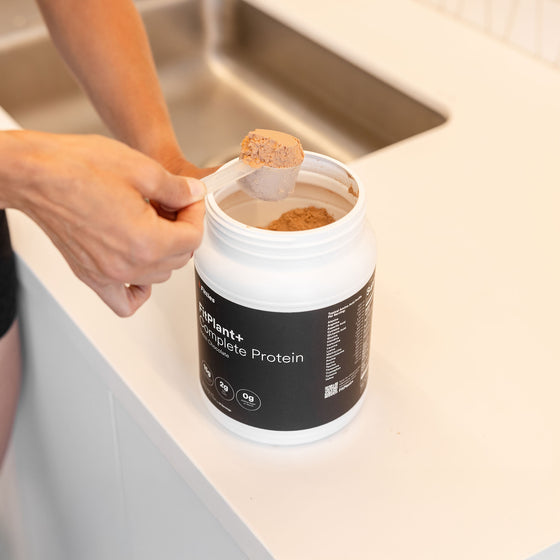
FitPlant+
FitPlant+ delivers 15g of pea-and-rice protein per serving, plus 2.25g of chitin-glucan fiber and an array of added vitamins and minerals, with no added sugar and sweetened with monk fruit. A protein-forward base to build a balanced shake around.
Shop FitPlant+