The Fitties Journal
How to Choose a Plant-Based Protein Powder
Key Takeaways
Here's what matters most if you're short on time.
- Pea and rice protein together supply all nine essential amino acids, without dairy, soy, or gluten.
- Digestibility matters as much as protein grams per serving; enzyme systems like Aminogen® support absorption of plant protein.
- Sweetener choice reveals formula philosophy. Monk fruit signals quality, while sucralose and artificial sweeteners signal cost-cutting.
- A quality plant protein doubles as a micronutrient delivery system with activated B vitamins and chelated minerals.
- Manufacturing standards matter. Look for products manufactured in a GMP compliant facility.
The plant-based protein powder market has exploded. That is good news for consumer choice and bad news for consumer clarity. Walk into any supplement aisle or scroll any retailer and you will find dozens of options, most of them making identical claims about "clean protein" and "complete nutrition." Few of them deliver.
The difference between a quality plant-based protein powder and a commodity product is not on the front of the label. It is in the amino acid profile, the digestibility, the sweetener system, the mineral forms, and the manufacturing standards behind the formula. This guide covers what to look for, what to avoid, and why the details matter more than most brands want you to know.
Skip to the Protein Calculator
Why Plant Protein Quality Varies So Much
Animal proteins like whey and egg are naturally complete, meaning they contain all nine essential amino acids in sufficient quantities. Most individual plant proteins are not. Pea protein tends to be low in methionine. Rice protein tends to be low in lysine. Soy protein is complete but carries allergen concerns and is excluded by many consumers for personal or dietary reasons.
This is why the best plant-based protein powders use complementary protein blending. When you combine pea protein (high in lysine) with rice protein (higher in methionine), each covers much of the other's gap. On DIAAS, the protein quality score the FAO recommends, a 2020 analysis (Herreman et al., 2020) modeled a maximum of 84 for a pea and rice blend at about 41% rice protein, in the same range it reported for whey-based products (78 to 88). This is not marketing language. It is basic protein chemistry, and it is the foundation of any serious plant-based formula.
What separates a premium blend from a generic one is whether the manufacturer actually optimizes the ratio for amino acid completeness or simply lists "pea and rice protein" on the label and calls it a day.
FitPlant+
15 g of protein per serving from pea protein isolate and rice protein concentrate, plus fungal proteases (Aminogen). No sugar, no stevia, no soy protein. Sweetened with monk fruit and loaded with Albion chelated minerals and activated B vitamins.
Shop FitPlant+The Amino Acids That Matter Most
For anyone using protein powder to support training, recovery, or body composition, three amino acids deserve special attention.
Leucine is the primary trigger for muscle protein synthesis. Whey protein is leucine-rich, which is one reason it became the default for athletes. A well-formulated plant blend can approach similar leucine levels, but only if the protein sources and ratios are selected with this goal in mind.
Lysine is essential for tissue repair, collagen synthesis, and calcium absorption. It is the amino acid most commonly deficient in grain-based plant proteins, which is why a pea protein component (naturally high in lysine) is critical.
Glutamine supports muscle recovery, gut lining integrity, and immune resilience. It is conditionally essential, meaning demand increases during intense training or physical stress. Some formulas include supplemental L-glutamine to ensure adequate levels, which is especially valuable for athletes training at high volume.
How Much Protein Do You Need?
The Recommended Dietary Allowance for protein is 0.8 grams per kilogram of body weight, but that figure represents the minimum to prevent deficiency in sedentary adults. It is not an optimization target for anyone who trains.
Research supports higher intakes for active individuals (Thomas, Erdman and Burke, 2016). A range of 1.2 to 2.0 grams per kilogram of body weight is commonly cited for people engaged in regular resistance training or endurance exercise. Where you fall in that range depends on your training volume, goals, and overall diet composition. For a comprehensive breakdown, see our protein intake guide for men and women.
Use the calculator below to estimate your personal protein target based on your body weight, activity level, and goals.
Digestibility: The Overlooked Factor
A protein powder can list 20 grams of protein per serving and still deliver far less to your muscles if your body cannot efficiently break it down and absorb it. Plant proteins have a naturally lower digestibility than whey, largely due to anti-nutritional factors like phytates and trypsin inhibitors that can interfere with enzyme activity.
This is why some plant protein formulas add digestive enzymes. Aminogen, a fungal protease complex, has been studied for its effect on protein digestion. In a small 2008 open-label study, adding it to 50 g of whey protein raised blood amino acid levels over the next four hours compared with whey alone (Oben et al., 2008). We found no published trial of Aminogen with plant protein, though, so whether it narrows the digestibility gap between plant and animal protein has not been tested.
FitPlant+ includes Aminogen (fungal proteases) alongside its pea and rice protein blend.
How to Read the Sweetener Line
Sweeteners reveal more about a protein powder's formulation philosophy than almost any other ingredient. Here is what you will typically find and what each choice signals.
| Sweetener | What It Signals | Watch For |
|---|---|---|
| Added sugar | Cost-optimized formula | Unnecessary calories, metabolic impact |
| Sucralose / Acesulfame-K | Artificial, cost-driven | Synthetic sweeteners many consumers prefer to avoid |
| Stevia | Natural but common | Bitter aftertaste at higher concentrations |
| Monk fruit extract | Premium, natural, zero-calorie | Higher ingredient cost (reflects overall formula investment) |
Monk fruit extract is a natural sweetener derived from the luo han guo fruit. It is a high-intensity sweetener, 100 to 250 times sweeter than table sugar according to the FDA, so it adds sweetness with few or no calories and no sugar alcohols. It costs more than every other option on this list, which is why most brands do not use it. When you see monk fruit on a label, it typically indicates that the manufacturer prioritized the formula over the margin. For a deeper look at sweetener science and how it affects supplement quality, see our monk fruit guide.
Beyond Protein: The Micronutrient Advantage
Most plant-based protein powders are just protein. Powder in a bag. A premium formula goes further by incorporating a micronutrient panel that addresses the nutritional gaps plant-based eaters commonly face.
Plant-based diets can fall short on vitamin B12, iron, zinc, calcium, and magnesium. A protein powder that includes these nutrients in bioavailable forms turns a daily shake into a more complete nutritional tool. The key is the form of those nutrients. Minerals come in different forms, such as oxides, carbonates and chelated minerals, where the mineral is bound to an amino acid.
Similarly, B vitamins should be present in their activated forms, namely methylcobalamin (B12), pyridoxal 5'-phosphate (B6), and 5-methyltetrahydrofolate (folate as Quatrefolic®). These are the forms your body actually uses, bypassing the conversion step that synthetic forms require.
FitPlant+ delivers this full micronutrient panel alongside its protein. It also includes 2.25 g of KiOtransine® chitin-glucan, a fiber from Aspergillus niger, and inulin from chicory. For a deeper look at how plant-based athletes can build a complete supplement strategy around these foundations, see the plant-based athlete supplement guide.
A Quality Checklist for Plant-Based Protein Powder
When evaluating any plant-based protein powder, run it through these criteria. A formula that checks every box is rare. That rarity is the point.
- Complementary protein blend (such as pea and rice) that covers the amino acids each protein is low in on its own
- Added digestive enzymes (such as Aminogen, a blend of fungal proteases)
- No added sugar, no artificial sweeteners; monk fruit preferred
- Chelated minerals (Albion TRAACS) rather than oxide or carbonate forms
- Activated B vitamins (methylcobalamin, pyridoxal 5'-phosphate, 5-MTHF)
- Free of common allergens (no dairy, soy protein, eggs, peanuts, tree nuts, shellfish, sesame, and formulated to exclude gluten)
- Non-GMO with transparent ingredient sourcing
- manufactured in a GMP compliant facility
- No stevia (optional preference, but relevant for taste-sensitive consumers)
FitPlant+ checks every item on this list. It is formulated for people who read labels, ask questions, and refuse to settle for a commodity protein powder dressed up with marketing claims. For a broader look at how to evaluate supplement quality across categories, see our supplement buyer's guide and supplement label decoding guide.
Choosing with Confidence
The plant-based protein powder market rewards brands that cut corners because most consumers do not know what to look for. Amino acid completeness, digestive enzyme support, mineral bioavailability, sweetener quality, and manufacturing standards are not sexy marketing talking points. They are the factors that determine whether a formula actually works.
Now you know what to look for. The next step is to apply these criteria to whatever products you are considering and see which ones hold up under scrutiny. If you are building a broader supplement strategy around a plant-based lifestyle, the plant-based athlete supplement guide covers how to layer protein with a multivitamin, probiotic, and other targeted nutrients.
As always, consult a healthcare professional before starting any new supplement, especially if you take medication or have specific dietary concerns.

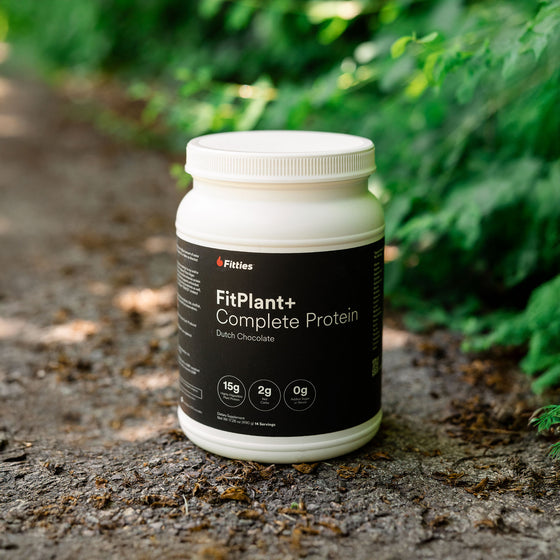
FitPlant+
15 g of protein per serving from pea protein isolate and rice protein concentrate, plus fungal proteases (Aminogen). No sugar, no stevia, no soy protein. Sweetened with monk fruit and loaded with Albion chelated minerals and activated B vitamins.
Shop FitPlant+