
The Fitties Journal
The Supplement Buyer's Guide: What to Buy, What to Skip, and Why
Key Takeaways
Here's what matters most if you're short on time.
- Protein and creatine monohydrate are backed by numerous clinical trials in active people, according to the NIH Office of Dietary Supplements, and a comprehensive multivitamin helps cover nutrient gaps when food alone falls short. Start there.
- Quality matters more than quantity. Third-party testing, transparent labeling, named ingredients, and cGMP manufacturing are the markers that separate premium supplements from overpriced labels.
- Most supplements are gender-neutral in their benefits. The few genuine differences (iron needs, hormonal lifecycle considerations, bone density support) are covered here so you can adjust accordingly.
- The supplement industry thrives on complexity. A focused stack of 3 to 5 well-chosen products will outperform a cabinet full of mediocre ones every time.
The supplement industry generates tens of billions in revenue every year, and a staggering amount of that comes from people buying products they do not need based on claims that do not hold up.
This guide is different. We are not going to walk you through 20 supplement categories across three budget tiers and call it comprehensive. That approach sounds thorough, but it mostly sends you shopping for things that will not meaningfully change your results.
Instead, we are going to cover what actually matters, the supplements with real research behind them, organized by what they do, with clear guidance on what separates a quality product from an overpriced label. Whether your goal is building muscle, supporting fat loss, improving daily energy, or all of the above, the framework is the same.
One note before we start is that supplements are supplemental. They fill gaps in your nutrition and give you an edge when the fundamentals (training, diet, sleep, stress management) are already in place. They do not replace any of those things. Always consult a healthcare professional before starting a new supplement regimen, especially if you take prescription medication.
The Foundation: Daily Essentials
Before thinking about goal-specific supplements, get the basics right. These are the supplements that support overall health regardless of whether you are training for a competition or just trying to feel better day to day.
Comprehensive Multivitamin
Even well-planned diets leave gaps. Soil depletion, food processing, and individual absorption differences mean most people fall short on at least a few micronutrients. A high-quality multivitamin acts as nutritional insurance.
What to look for is metabolically active B vitamins (look for methylcobalamin, not cyanocobalamin; methylfolate, not folic acid), bioavailable mineral forms like chelated magnesium and zinc, and targeted ingredients that support energy production at the cellular level.
FitNutrients+ is a premium multivitamin and mineral formula with metabolically active B vitamins, Albion chelated minerals, and 500 mg of acetyl-L-carnitine and 100 mg of alpha-lipoic acid in each 4-capsule serving. It goes well beyond a basic one-a-day.
Omega-3 Fatty Acids
Omega-3s are the focus of a great deal of research, and they have structural roles in the body. They are building blocks of cell membranes, and DHA is especially concentrated in the retina and brain, according to the NIH Office of Dietary Supplements. Most people do not eat enough fatty fish to meet their needs through diet alone.
What to look for is a product that delivers meaningful amounts of EPA and DHA per serving, sourced from clean, tested raw materials.
Fitties does not currently offer a standalone omega-3 supplement, but this is a category where the guidance above applies directly. Prioritize meaningful EPA and DHA amounts per serving, clean sourcing, and third-party testing for heavy metals and oxidation. Take omega-3s with any meal containing dietary fat for best absorption.
Magnesium
About half of Americans, 49%, take in less magnesium from food and beverages than their estimated average requirement, in USDA survey data for 2017 to March 2020. Magnesium is a cofactor in more than 300 enzyme systems and is needed for energy production and muscle and nerve function, according to the NIH Office of Dietary Supplements.
What to look for is highly absorbable forms. Magnesium oxide is cheap, but forms that dissolve well in liquid, such as citrate, tend to be absorbed better, according to the NIH Office of Dietary Supplements.
FitNeuro features magnesium L-threonate (as Magtein®) alongside Albion di-magnesium malate and magnesium lysinate glycinate chelate. Together the three forms deliver 200mg of elemental magnesium per 3-capsule serving, 48% of the Daily Value, per the FitNeuro label.
Probiotic
Gut health affects everything from nutrient absorption to immune function to mood. Probiotic effects depend on the specific strain, according to the NIH Office of Dietary Supplements, which is why a vague blend tells you so little.
What to look for is specific, researched strains (not just “probiotic blend”), adequate CFU counts, and delivery systems that protect organisms from stomach acid.
FitProbio+ features HOWARU® Shape Bifidobacterium animalis subsp. lactis B420, a strain studied in a six-month human trial (Stenman et al., 2016). Delivered in DRcaps™ gastro-resistant capsules and sealed in nitrogen-purged blister packs for stability.
Daily Essentials at a Glance
| Supplement | What It Does | What to Look For | Fitties Option |
|---|---|---|---|
| Multivitamin | Fills micronutrient gaps, supports energy production | Active B vitamins, chelated minerals, targeted support ingredients | FitNutrients+ |
| Omega-3 | Supports cardiovascular and cognitive health | Clean-sourced EPA/DHA, third-party tested | - |
| Magnesium | Supports muscle function, sleep, nerve health | Chelated forms (glycinate, malate, threonate), not oxide | FitNeuro |
| Probiotic | Supports gut barrier function and digestive health | Clinically studied strains, gastro-resistant delivery | FitProbio+ |
FitWhey+
FitWhey+ delivers 21g of 100% New Zealand whey protein per serving, with Aminogen, a protease enzyme system. No added sugar, no stevia. Sweetened with monk fruit.
Shop FitWhey+Training and Performance Supplements
If you train regularly, these are the supplements worth knowing about. According to the NIH Office of Dietary Supplements, protein and creatine are backed by numerous clinical trials, creatine mainly for high-intensity, intermittent work rather than endurance, while trials of HMB have had conflicting results.
Protein
Protein is the single most important training supplement. It supports muscle recovery after exercise and helps maintain lean body mass, especially during periods of caloric restriction. The research is extensive. A meta-analysis of 49 trials found protein supplementation added to strength and muscle gains from resistance training, with no further gain in fat-free mass above about 1.6 g/kg a day of total protein (Morton et al., 2018), and a protein supplement makes an adequate intake easier to reach.
How much do you need? A commonly referenced range for active individuals is 1.6 to 2.2 grams per kilogram of body weight daily. A protein supplement helps close the gap between what you eat and what you need.
What to look for is a complete amino acid profile, transparency about protein source and processing, and a formula free of unnecessary fillers and artificial sweeteners.
FitWhey+ delivers 21g of 100% New Zealand whey protein per serving. Its label says the milk comes from pastured, grass-fed cattle that are rBST/rBGH hormone-free. If you want to know whether that grass-fed sourcing is worth paying for, see our guide to grass-fed whey protein. FitWhey+ also includes Aminogen®, a protease enzyme system, plus inulin fiber from chicory root. Sweetened with monk fruit. No added sugar, no stevia, no artificial sweeteners.
For those who prefer plant-based protein or have dairy sensitivities, FitPlant+ offers 15g of protein per serving from a blend of pea protein isolate and rice protein concentrate. It includes the same fungal proteases (Aminogen), plus 2.25 g of KiOtransine® chitin-glucan and a vitamin and mineral panel with activated B vitamins (Quatrefolic® methylfolate, methylcobalamin B12) and Albion chelated minerals. Also sugar-free and stevia-free.
Creatine Monohydrate
Creatine is one of the most thoroughly studied sports supplements, according to the NIH Office of Dietary Supplements. It supports the body’s ATP energy system during high-intensity work, which can support improvements in strength, power output, and work capacity over time. It is also one of the most affordable supplements per serving.
Creatine is not just for men. Women benefit equally from creatine supplementation, and it does not cause excessive weight gain. Any initial weight increase is from water drawn into muscle cells, which is temporary and performance-supportive. Research also suggests creatine may support memory. A 2023 meta-analysis of randomized trials in healthy people found a small overall improvement, mostly in older adults (Prokopidis et al., 2023).
What to look for is creatine monohydrate specifically (not the fancier, usually more expensive forms that, according to the NIH Office of Dietary Supplements, have not been proven superior to monohydrate), and a product free of unnecessary additives.
The standard protocol is 3 to 5 grams daily, taken consistently. Some people use a loading phase of 15 to 20 grams per day for 5 to 7 days to saturate muscle stores faster, but both approaches reach the same endpoint. Loading just gets you there sooner.
FitBoost+ combines 3g of creatine monohydrate with 400 mg of Peak ATP® adenosine 5’-triphosphate disodium, bioactive B vitamins, electrolytes, and a 465 mg proprietary blend that includes a caffeine pterostilbene co-crystal and yields 95 mg of caffeine in total. On non-workout days, take it in the morning on an empty stomach. On workout days, consume it 30 minutes before training.
FitBoost+ also provides 500 mg of vitamin C and 10 mg of vitamin E per scoop, and its proprietary blend includes s-acetyl-L-glutathione (SAG) and organic green tea extract.
Recovery Support
Recovery is where adaptation happens. The harder you train, the more important it is to support the rebuilding process, and it helps to know which muscle recovery supplements actually earn a place and which are overhyped.
HMB (beta-hydroxy beta-methylbutyrate) is a natural metabolite of leucine that research suggests may support protein synthesis and reduce protein breakdown. It may be most relevant during intensive training phases or caloric restriction, when the risk of muscle breakdown is elevated.
FitRestore features 3g of calcium HMB monohydrate (as myHMB®) and 12.5 mcg of vitamin D3 in each 6-capsule serving. In a 12-month randomized trial in adults over 60 with insufficient vitamin D levels (Rathmacher et al., 2020), 3 g a day of calcium HMB plus 50 mcg (2,000 IU) of vitamin D3 improved a combined strength and function score in people who did not exercise, but gave no further improvement in people who were also resistance training.
Training Supplements at a Glance
| Supplement | Primary Role | Typical Serving | Fitties Option |
|---|---|---|---|
| Whey Protein | Supports muscle recovery, lean body mass | 20-30g post-workout | FitWhey+ |
| Plant Protein | Same as whey, dairy-free alternative | 20-30g post-workout | FitPlant+ |
| Creatine + Pre-Workout | Supports ATP production, energy, performance | Per label directions | FitBoost+ |
| HMB + Vitamin D | Supports muscle health, protein synthesis | Per label directions | FitRestore |
Weight Management Support
Sustainable weight management comes down to energy balance, food quality, and consistency. No supplement replaces those fundamentals. Where a supplement can earn its place is in the supporting details, like a steadier glycemic response while you are eating in a deficit.
FitFast pairs 500 mg of berberine HCl with 250 mg of InSea2®, a blend of brown seaweeds (Ascophyllum nodosum and Fucus vesiculosus) with 20% polyphenols, plus 7.5 mcg of chromium in each capsule. Its label advises talking to your healthcare professional before use, especially if you have a medical condition, take prescription drugs, or are pregnant or breastfeeding. FitProbio+, covered in the daily essentials above, features the clinically studied HOWARU Shape B420™ strain.
Gender-Specific Considerations
The vast majority of supplement recommendations apply equally to men and women. The same protein supports the same recovery processes. The same creatine supports the same ATP system. The same multivitamin fills the same nutritional gaps. Gendered supplement marketing mostly exists to sell you two products instead of one.
That said, there are a few genuine physiological differences worth noting.
Iron: Premenopausal women lose iron through menstruation and are significantly more likely to be deficient. If blood work confirms low ferritin or iron levels, supplementation may be warranted. Men and postmenopausal women rarely need supplemental iron and should avoid multivitamins with high iron content unless a deficiency is confirmed. Take iron on an empty stomach for best absorption, and avoid taking it at the same time as calcium.
Calcium and Bone Health: Women face a higher risk of bone density loss, particularly after menopause when estrogen levels decline, according to the NIH Office of Dietary Supplements. Adequate calcium (ideally in smaller, divided doses throughout the day) and vitamin D are important for long-term skeletal health.
Hormonal Lifecycle: Women’s nutritional needs shift across the menstrual cycle, pregnancy, lactation, and menopause. These transitions can change requirements for iron, folate, calcium, vitamin D, and magnesium. Working with a healthcare professional during these transitions is particularly valuable.
Creatine for Women: Creatine has been studied far less in women than in men (Smith-Ryan et al., 2021), but the ISSN position stand concludes it is safe and well tolerated in healthy people (Kreider et al., 2017). It does not cause excessive muscle gain or unwanted weight increases. Any temporary water retention is intracellular (inside muscle cells), not subcutaneous, and supports training performance.
How to Spot a Quality Supplement
The supplement industry has a low barrier to entry, which means quality varies enormously. Here is what separates premium products from the rest.
| Quality Marker | What It Means | Red Flag |
|---|---|---|
| Purity and Potency Testing | Ingredients tested for identity, purity, and potency; independent third-party verification is the highest standard | No testing or quality documentation disclosed |
| Transparent Labels | Clear ingredient listing with identifiable, researched compounds | Unrecognizable fillers, no information about ingredient sourcing or forms |
| Branded Ingredients | Clinically studied, trademarked compounds with research backing | Generic ingredient names with no sourcing details |
| cGMP Manufacturing | Produced under FDA-regulated good manufacturing practices | No mention of manufacturing standards |
| Clean Formulation | Free of unnecessary fillers, artificial colors, and sweeteners | Long “Other Ingredients” lists with unrecognizable compounds |
| Bioavailable Forms | Ingredients in forms your body can absorb and use effectively | Cheap forms like magnesium oxide, cyanocobalamin, or folic acid |
Fitties products are manufactured in a GMP compliant facility. They feature trademarked ingredients (Aminogen, Magtein, myHMB, Albion chelated minerals, Quatrefolic, and others). Where a proprietary blend is used, as in FitBoost+, the label names every ingredient in the blend and gives its total weight (465 mg) and total caffeine (95 mg).
Allergen and Dietary Restriction Guide
If you manage food allergies, intolerances, or follow a plant-based diet, finding supplements that meet your requirements should not require guesswork. The Fitties line is formulated with common allergen exclusions built in from the start, not as an afterthought.
Every Fitties product is formulated to exclude wheat and gluten. The majority of the line also excludes soy, dairy, and other common allergens. The table below shows exactly which products are compatible with each dietary restriction, verified directly from current product labels.
| Product | Formulated to exclude gluten | Dairy-Free | Soy-Free | Vegan |
|---|---|---|---|---|
| FitPlant+ | ✓ | ✓ | ✓¹ | ✓ |
| FitWhey+ | ✓ | - | ✓¹ | - |
| FitNutrients+ | ✓ | ✓ | ✓¹ | - |
| FitNeuro | ✓ | ✓ | ✓ | - |
| FitWell | ✓ | ✓ | ✓ | - |
| FitProbio+ | ✓ | ✓ | ✓ | - |
| FitBoost+ | ✓ | ✓ | ✓ | - |
| FitRestore | ✓ | ✓ | ✓ | - |
¹ Soy protein excluded. FitPlant+, FitWhey+, and FitNutrients+ are formulated to exclude soy protein specifically. Their labels state “soy protein” rather than “soy” in the exclusion list. If you have a soy allergy (as opposed to simply avoiding soy protein), check the full ingredient list or contact Fitties directly to confirm compatibility with your needs.
Dairy note. FitWhey+ contains milk (whey protein concentrate from New Zealand grass-fed cattle). All other products in the Fitties line are formulated to exclude dairy. If you need a dairy-free protein option, FitPlant+ delivers 15g of plant-based protein per serving, with all nine essential amino acids on its label.
Every product listed above is also formulated to exclude fish, shellfish, peanuts, tree nuts, and egg. Most exclude ingredients derived from genetically modified organisms (GMOs) as well. For the complete “Formulated to Exclude” statement for any specific product, refer to the product label or product page.
Building Your Stack
Rather than buying everything at once, build your supplement routine in layers based on what will have the most impact for your situation.
Layer 1 (everyone): A quality multivitamin and omega-3. These fill the broadest nutritional gaps with the least decision-making required.
Layer 2 (active individuals): Add protein and creatine. Creatine is one of the most thoroughly studied supplements for exercise performance, and protein's role in the training response rests on numerous clinical trials, according to the NIH Office of Dietary Supplements.
Layer 3 (goal-specific): Based on your priorities, consider adding one targeted product, and read its label against your goal. In the Fitties line, FitBoost+ is the pre-workout, with 3 g of creatine monohydrate, 400 mg of Peak ATP and 95 mg of caffeine per scoop. FitRestore pairs 3 g of calcium HMB with 12.5 mcg of vitamin D3. FitNeuro provides 200 mg of magnesium from three forms, including magnesium L-threonate. FitWell combines L-theanine, GABA, 5-HTP, taurine and B vitamins, and its label asks you to check with your healthcare professional first if you have a medical condition or take prescription drugs.
The best stack is one you take consistently. Pick 3 to 5 products that align with your goals, use them daily, and give them 4 to 8 weeks before evaluating whether they are making a difference for you. Consistency always beats complexity.
Conclusion
The supplement industry profits from confusion. The more overwhelmed you feel, the more likely you are to either buy everything or buy nothing. Neither serves you well.
The truth is simpler than the industry wants you to believe. Get a good multivitamin, omega-3, protein, and creatine as your foundation. Add targeted support based on your specific goals. Prioritize quality over quantity. And remember that no supplement, no matter how premium, replaces solid nutrition, consistent training, and adequate sleep.
As with any changes to your supplement regimen, consult a healthcare professional for guidance tailored to your individual needs, especially if you take prescription medication or have specific health concerns.
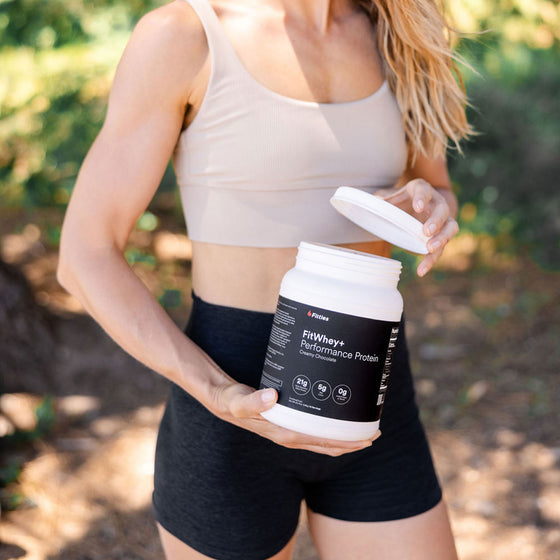
FitWhey+
FitWhey+ delivers 21g of 100% New Zealand whey protein per serving, with Aminogen, a protease enzyme system. No added sugar, no stevia. Sweetened with monk fruit.
Shop FitWhey+