The Fitties Journal
Health and Fitness for Seniors: Staying Active and Engaged
Key Takeaways
Here's what matters most if you're short on time:
- Muscle mass, bone density, cardiovascular fitness, and cognitive function all decline with age, but regular physical activity can meaningfully slow these changes.
- Gentle options like tai chi, yoga, and water aerobics are excellent starting points. Walking, resistance training, and group classes offer more challenge as fitness improves.
- Targeted supplementation (multivitamins, omega-3s, protein, probiotics) can help fill nutritional gaps that become more common with age.
Muscle mass and bone density decline with age. Staying active is how you push back. This guide covers what the research says about exercise for older adults, workouts for different fitness levels, and where supplements can fit in. Alongside exercise and nutrition, quality sleep remains one of the most important factors in healthy aging.
The Science Behind Staying Active for Seniors
According to the CDC, regular physical activity in adults 65 and older improves bone health and sleep quality, reduces the risk of falls, and helps people live independently longer. As we age, our bodies undergo several natural physiological changes, including the decline of muscle mass and bone density, which can impact overall health and well-being.
Loss of muscle mass, also known as sarcopenia, typically begins around the age of 30 and accelerates after 60. Sarcopenia can lead to frailty, decreased mobility, and an increased risk of falls and fractures (Cruz-Jentoft et al., Age and Ageing 2019). A study published in very elderly nursing-home residents found that high-intensity resistance training is an effective way to counteract muscle weakness and physical frailty, with muscle strength more than doubling over ten weeks.
Similarly, bone density decreases with age, which can affect structural integrity and increase susceptibility to fractures. Weight-bearing exercise and resistance training help build and maintain bone density in adults of any age, according to the NIH's National Institute of Arthritis and Musculoskeletal and Skin Diseases.
Exercise also plays a crucial role in maintaining cardiovascular health. Research consistently shows the link: according to the Physical Activity Guidelines for Americans, regularly active adults have lower blood pressure, better blood lipid profiles, and better physical fitness. A study published in the British Journal of Sports Medicine found that healthy adults who walked the most had a lower risk of cardiovascular disease and all-cause mortality than those who walked the least.
Moreover, staying active has been shown to support cognitive function and help maintain mental sharpness as we age. A review published in Psychological Science found that aerobic fitness training has robust but selective benefits for cognition in older adults, with the largest gains in executive-control processes.
Engaging in regular physical activity is essential for seniors to maintain muscle mass, bone density, cardiovascular health, and cognitive function. By incorporating various forms of exercise into their daily routines, older adults can effectively counteract the natural decline of these physiological factors and improve their overall health and well-being.
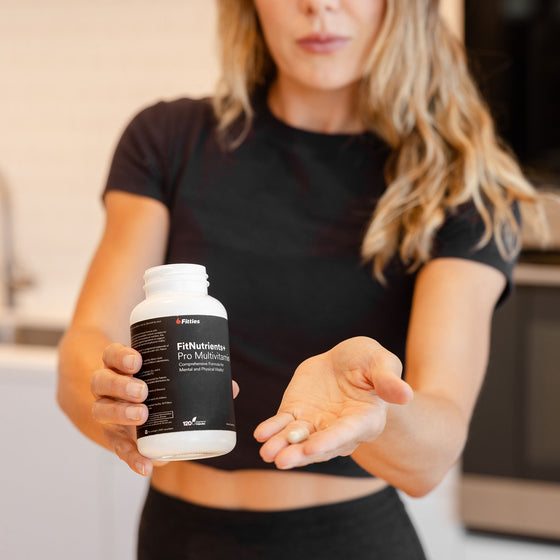
FitNutrients+
A premium multivitamin/mineral formula, four capsules a day, with metabolically active B vitamins such as methylcobalamin and methylfolate, 12.5 mcg (500 IU) of vitamin D3 and Albion mineral chelates. It contains no iron.
Shop FitNutrients+Gentle Workouts for Seniors
As seniors strive to maintain their health and well-being, it is essential to consider exercise routines that are gentle on the body while still providing numerous benefits. Gentle workouts for seniors are specifically designed to accommodate the unique needs of older adults, focusing on low-impact activities that improve flexibility, balance, strength, and overall fitness. In this section, we will explore various gentle workouts that are not only safe but also enjoyable and effective in promoting physical and mental health for seniors.
Tai Chi
Tai Chi is a gentle form of exercise that originated in China, often referred to as “meditation in motion.” It involves slow, controlled movements combined with deep breathing exercises. Tai Chi is an excellent option for seniors because it improves balance, flexibility, and muscle strength without placing excessive strain on the joints. In addition, a 2019 review summarized by the National Center for Complementary and Integrative Health found high-certainty evidence that Tai Chi may reduce the number of community-dwelling older adults who fall by about 20 percent.
Yoga
Yoga is another low-impact exercise option for seniors that combines physical postures, breath control, and meditation. It can help improve flexibility, balance, and muscle strength, making it an ideal choice for older adults who want to maintain mobility and range of motion. Yoga has also been found to reduce stress, support cardiovascular health, and improve mental well-being. Many yoga studios and community centers offer specialized classes for seniors, which focus on gentle poses and modifications tailored to older adults’ unique needs.
Water Aerobics
Water aerobics is a form of low-impact exercise performed in a swimming pool. The buoyancy of the water supports the body, reducing the stress on joints and muscles while still providing an effective workout. Water aerobics can improve cardiovascular fitness, muscle strength, and flexibility, making it an excellent option for seniors looking for a gentle, yet effective workout. Many community pools and fitness centers offer water aerobics classes specifically designed for older adults.
More Active Workouts for Seniors
For seniors who have a higher level of fitness or those seeking to challenge themselves, more active workouts can provide a substantial boost to their overall health. These exercises focus on elevating the heart rate, building endurance, and improving functional strength, all while keeping the unique needs of older adults in mind. In this section, we will delve into a variety of more active workouts that are suitable for seniors, helping them maintain and even enhance their physical capabilities while remaining engaged and motivated.
Walking
Walking is a simple and accessible form of exercise that can be easily incorporated into a senior’s daily routine. Regular walking can help improve cardiovascular health, maintain muscle strength, and support joint health. In addition, a 2015 meta-analysis of randomized trials in previously inactive adults found that walking programs improved aerobic fitness and reduced blood pressure, waist size, and body fat, though they did not change blood lipids (Murtagh et al., Preventive Medicine 2015). Seniors can start with short walks and gradually increase the distance and pace as their fitness level improves. Walking with a group or a partner can also provide a social aspect, promoting mental well-being.
Resistance Training
Resistance training, also known as strength training, involves using resistance bands, body weight, or weights to build and maintain muscle strength. It is essential for seniors because it helps counteract age-related muscle loss and supports bone density. Combined with balance exercises, it is part of the programs that probably reduce falls in older adults by about a third, though the effect of resistance training on its own is uncertain (Sherrington et al., Cochrane 2019). Seniors should start with light weights or resistance bands and focus on proper form to minimize the risk of injury. It is recommended to work with a fitness professional or join a specialized class for seniors to ensure safety and effectiveness.
Group Fitness Classes
Many fitness centers and community organizations offer group fitness classes specifically designed for seniors. These classes can provide a fun and social environment for older adults to engage in physical activity. Group fitness classes for seniors often incorporate a mix of cardio, strength training, and flexibility exercises, tailored to the unique needs of older adults. Some popular group fitness classes for seniors include SilverSneakers, Zumba Gold, and Senior Fit. Participating in group fitness classes can help seniors stay motivated, improve their physical fitness, and foster a sense of community and social interaction.
Supplement Options for Seniors
As we age, our bodies may require additional nutritional support to maintain optimal health. Supplements can play a vital role in filling nutritional gaps, ensuring that seniors receive the essential nutrients and vitamins they need for overall well-being. In this section, we will discuss the best supplement options for seniors, exploring how these carefully selected products can support various aspects of health, including immune function, bone density, cognitive function, and more.
Multivitamins
A comprehensive multivitamin designed specifically for seniors can help ensure that they receive the essential nutrients needed to support overall health. As we age, our bodies may become less efficient at absorbing nutrients from food, making supplementation more critical. Look for a multivitamin that contains essential vitamins and minerals, such as vitamin D, calcium, magnesium, and B vitamins, which are crucial for bone health, energy production, and cognitive function.
FitNutrients+ is a premium multivitamin/mineral formula with metabolically active B vitamins, Albion chelated minerals, and 12.5 mcg (500 IU) of vitamin D3 in each four-capsule serving.
Omega-3 Fatty Acids
Omega-3 fatty acids are essential for maintaining heart health, reducing inflammation, and supporting brain function. Seniors can benefit from taking an omega-3 supplement to support cardiovascular function and cognitive health. Fish oil supplements are a common source of omega-3 fatty acids, but plant-based options like algae oil are also available for those who prefer a vegetarian or vegan alternative.
Protein Supplements
Maintaining muscle mass is vital for seniors to prevent frailty, maintain mobility, and support overall health. Consuming adequate protein is essential for preserving muscle mass, and many older adults may struggle to meet their protein needs through diet alone. Protein supplements, such as whey protein or plant-based protein powders, can help seniors meet their daily protein requirements and support muscle health.
FitPlant+ is a plant protein shake mix with added vitamins and minerals. Each two-scoop serving provides 15 grams of protein from pea protein isolate and rice protein concentrate and 7 grams (vanilla) or 8 grams (chocolate) of dietary fiber. It has no added sugar and is sweetened with monk fruit.
Probiotics
A healthy gut microbiome plays a crucial role in overall health, including immune function, digestion, and even mental well-being. As we age, the composition of our gut microbiome can change, potentially leading to digestive issues and a weakened immune system. Fortunately, high-quality probiotic supplements can help support a healthy balance of beneficial bacteria in the gut, promoting optimal digestive health and immune function for seniors.
Conclusion
Our golden years are meant to be enjoyed with vitality, strength, and clarity. As this guide illustrates, the foundation of such a lifestyle lies in staying active, making informed choices about workouts, and complementing one's diet with the right supplements, from magnesium for muscle and nerve support to probiotics for gut health. Whether you're a senior or have a loved one who is, remember that it's never too late to prioritize health and well-being. By embracing a proactive approach to fitness and nutrition, we can age gracefully and live our later years with the zest and vigor they deserve.
FitNutrients+
A premium multivitamin/mineral formula, four capsules a day, with metabolically active B vitamins such as methylcobalamin and methylfolate, 12.5 mcg (500 IU) of vitamin D3 and Albion mineral chelates. It contains no iron.
Shop FitNutrients+