
The Fitties Journal
Sustainable Weight Loss: What Actually Works
Key Takeaways
Here's what matters most if you're short on time.
- A sustained caloric deficit, not a crash diet, is the only reliable mechanism for fat loss.
- Visceral fat around your organs responds well to exercise; body composition matters more than scale weight.
- Protein intake is the most overlooked lever. It preserves muscle, increases satiety, and has a higher thermic effect.
- Sleep and stress management directly influence hunger hormones, cortisol, and recovery capacity.
- Supplements come last. A protein powder is a convenient way to reach a daily protein target once the fundamentals are in place.
Most people who want to lose weight already know the basics. Eat less, move more. The problem isn't knowledge. It's execution, consistency, and knowing which details actually matter versus which ones are noise.
This guide cuts through the clutter. We'll cover the science of energy balance, why body composition matters more than scale weight, and how nutrition, exercise, sleep, and supplementation work together to produce fat loss that lasts. No crash diets. No miracle shortcuts. Just the fundamentals, done right.
The Science of Fat Loss
Fat loss comes down to one mechanism, a caloric deficit. You need to burn more energy than you consume. That's it. Every diet that works, from keto to Mediterranean to intermittent fasting, works because it creates a deficit.
Your total daily energy expenditure has three components. Your Basal Metabolic Rate (BMR) accounts for the calories your body burns at rest to keep you alive. The Thermic Effect of Food (TEF) is the energy cost of digesting what you eat. And your Physical Activity Level (PAL) covers everything from structured exercise to walking the dog.
The goal is a moderate deficit. Too aggressive, and you lose muscle, tank your metabolism, and set yourself up for a rebound. Health professionals generally recommend aiming for 1 to 2 pounds per week. That pace preserves lean tissue and keeps your metabolic rate from cratering.
FitNutrients+
A premium multivitamin/mineral formula, four capsules a day, with metabolically active B vitamins such as methylcobalamin and methylfolate, 12.5 mcg (500 IU) of vitamin D3 and Albion mineral chelates. It contains no iron.
Shop FitNutrients+Body Fat: What You Need to Know
Not all body fat is equal, and the number on the scale tells you almost nothing about what's actually happening in your body.
Visceral fat sits deep in the abdominal cavity, surrounding organs like the liver and pancreas. It's metabolically active in ways you don't want, releasing inflammatory compounds and disrupting hormone signaling. The good news is that visceral fat responds well to both cardio and strength training.
Subcutaneous fat is the fat just beneath your skin. In moderate amounts, it's not a health concern. It insulates, cushions, and serves normal physiological functions.
What matters most is your body fat percentage, the proportion of your total weight that comes from fat. Both men and women need a baseline level of essential fat, so the goal isn't the lowest possible number. It's a healthy range that supports performance and well-being. For a deeper dive into tracking methods, see our guide to measuring body fat.
Nutrition for Fat Loss
What you eat matters as much as how much you eat. A caloric deficit built on nutrient-dense food will outperform one built on junk every time.
Macronutrients are the foundation. Protein is the most important of the three for fat loss. It preserves muscle during a deficit, increases satiety so you're less likely to overeat, and has a higher thermic effect than carbs or fat, meaning your body burns more calories digesting it. Aim for lean meats, poultry, fish, eggs, dairy, legumes, and quality protein supplements to hit your daily targets.
Carbohydrates fuel your brain and your training. Prioritize complex carbs from whole grains, vegetables, and legumes over simple sugars. They digest more slowly, provide sustained energy, and keep you fuller longer.
Fats are essential for hormone production and vitamin absorption. Focus on monounsaturated and polyunsaturated sources such as avocados, olive oil, nuts, seeds, and fatty fish. Limit saturated fat and avoid trans fats.
Fiber is your secret weapon. High-fiber foods add bulk, slow digestion, and reduce the likelihood of overeating. Most people don't get enough.
Hydration plays a bigger role than most people realize. Water supports every metabolic process in your body, including fat metabolism. Drinking water before meals may also help reduce overall calorie intake.
Beyond what you eat, when you eat can also play a role. Intermittent fasting has gained traction as an approach to weight management. Methods like the 16/8 protocol (16 hours fasting, 8-hour eating window) work primarily by making it easier to maintain a caloric deficit. During fasting windows, insulin levels drop, which may support the body's ability to access stored fat for energy. It's a tool, not a requirement, and it's worth discussing with a healthcare professional before starting.
Training for Fat Loss
Exercise does more than burn calories. It builds the lean muscle that drives your resting metabolism, and it's one of the most effective tools for reducing visceral fat. Your body type also shapes how quickly you respond.
Cardiovascular training burns calories during the session and supports heart health. Activities like running, cycling, swimming, and brisk walking all work. For time efficiency, High-Intensity Interval Training (HIIT), which alternates short bursts of intense effort with recovery periods, is worth a look. In a meta-analysis of 13 trials in adults with excess weight, it reduced body fat as much as moderate continuous cardio with about 40 percent less training time (Wewege et al., 2017).
Strength training is non-negotiable. Resistance training builds and preserves lean muscle mass, which directly increases the number of calories your body burns at rest. This is especially critical during a caloric deficit, when the body is inclined to break down muscle along with fat. To chase both goals at once, losing fat while adding muscle, follow the six rules in our body recomposition guide.
A balanced program includes both. What matters most is finding a routine you can sustain, because consistency over months and years is what produces results.
Beyond structured training, look for ways to increase daily movement. Take the stairs. Walk more. These small additions compound over time.
Sleep and Stress: The Overlooked Variables
You can nail your nutrition and training and still stall if your sleep and stress management are off.
According to the National Heart, Lung, and Blood Institute, not getting enough sleep can disrupt the hormones that regulate hunger and fullness. Ghrelin (the hunger hormone) tends to increase with insufficient sleep, while leptin (the satiety hormone) tends to decrease. The result is that you're hungrier, less satisfied after meals, and more likely to reach for high-calorie comfort foods.
Sleep also affects insulin sensitivity and recovery from training. Most adults function best with 7 to 9 hours per night. Consistent sleep and wake times, a cool and dark room, limited screen exposure before bed, and avoiding large meals and caffeine close to bedtime all contribute to better sleep quality.
Stress is the other silent saboteur. Chronic stress keeps cortisol elevated, and research has linked cortisol to eating more calorie-dense food and to fat stored around the abdomen, though these mechanisms are only starting to be worked out in humans (Adam and Epel, 2007). Regular physical activity, meditation, deep breathing, and simply doing things you enjoy can all help manage stress levels.
Your mindset matters, too. Weight loss is a psychological process as much as a physical one. Unrealistic expectations, emotional eating, and negative self-talk can derail progress faster than a bad meal plan. Set achievable goals, celebrate small wins, and consider professional support if you're struggling with your relationship to food or body image.
Where Do Supplements Fit?
A balanced diet and consistent training are the foundation. Supplements play a supporting role by filling nutritional gaps and providing targeted nutrients. They're never a replacement for the fundamentals.
Protein powders are the most practical supplement for anyone in a caloric deficit. Protein supports muscle retention, promotes satiety, and has a higher thermic effect than other macronutrients. While whole food sources should be the priority, a quality protein powder makes it easier to hit daily targets, especially post-training. FitWhey+ delivers 21g of New Zealand whey protein per serving with inulin fiber and no added sugar, sweetened with monk fruit. For plant-based diets, FitPlant+ provides 15g of protein per serving from pea and rice protein, and the typical amino acid profile on its label lists all nine essential amino acids. Not sure what belongs in the tub? Our guide to picking a protein powder for a weight loss phase lays out the six label rules.
Omega-3 fatty acids support cardiovascular health and a healthy inflammatory response. For fat loss specifically, the evidence is thin. A 2015 meta-analysis of 21 randomized trials in adults with overweight or obesity found fish oil did not lower body weight or BMI, although waist circumference fell slightly when it was combined with lifestyle changes (Du et al., 2015). If you're not eating fatty fish regularly, a high-quality fish oil supplement is worth considering.
Vitamin D supports bone health, immune function, and mood. Higher body weight is associated with lower vitamin D status, but the available research does not support taking vitamin D supplements for weight loss, according to the NIH Office of Dietary Supplements. Many people, particularly in regions with limited sunlight, are deficient.
Always consult a healthcare professional before starting any new supplement to make sure it's appropriate for your circumstances.
Putting It Together
Sustainable fat loss isn't about a single tactic. It's about building a system of moderate caloric deficit, adequate protein, consistent training, quality sleep, managed stress, and targeted supplementation where it makes sense.
Start with one or two changes you can sustain. Nail your protein intake. Add two strength sessions per week. Fix your sleep schedule. Once those become habits, layer on the next adjustment. Small, consistent changes always outperform dramatic overhauls that burn out in three weeks.
Every body responds differently, and what works for one person may not work for another. Monitor your progress, adjust as needed, and stay patient. Fat loss is rarely linear. There will be weeks where the scale doesn't move despite doing everything right. Trust the process.
For personalized guidance, consult with a healthcare professional, registered dietitian, or qualified trainer who can tailor recommendations to your specific needs and health status.
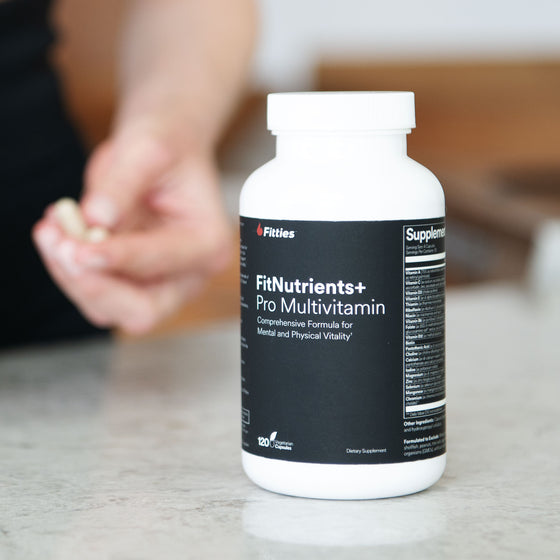
FitNutrients+
A premium multivitamin/mineral formula, four capsules a day, with metabolically active B vitamins such as methylcobalamin and methylfolate, 12.5 mcg (500 IU) of vitamin D3 and Albion mineral chelates. It contains no iron.
Shop FitNutrients+