
The Fitties Journal
Essential Supplements for Women's Health
Key Takeaways
Here's what matters most if you're short on time.
- Women have unique nutritional needs driven by hormonal fluctuations and life stages including menstruation, pregnancy, lactation, and menopause.
- Several nutrients are commonly insufficient in women's diets, including iron, calcium, vitamin D, magnesium, and folate. A high-quality multivitamin can serve as a foundation.
- Omega-3 fatty acids, probiotics, and antioxidants like CoQ10 and vitamin C provide additional targeted support for cardiovascular, digestive, and immune health.
- Always consult a healthcare professional before starting a new supplement regimen, especially during pregnancy, lactation, or if you have existing health conditions.
Women's nutrient needs shift across life stages, and a few gaps show up more often than others. A balanced diet comes first; supplements fill specific gaps. For training-focused goals, our female muscle growth guide goes deeper, and the supplement buyer's guide covers how to choose a product. Below are the nutrients that matter most for women, and what the research says about each.
Women have unique nutritional requirements due to physiological differences, hormonal fluctuations, and various life stages such as menstruation, pregnancy, lactation, and menopause. These factors can significantly impact nutrient needs, making it essential for women to pay close attention to their nutrient intake. In USDA national survey data from 2017 to March 2020, adult women fell below the estimated average requirement from food and beverages more often than men for calcium (61% vs 30%), folate (27% vs 9%) and iron (21% vs under 3% at ages 19 to 50), and nearly everyone fell short on vitamin D (USDA Agricultural Research Service, 2023).
Understanding the unique nutrient needs of women and incorporating targeted supplementation can help support overall health and address specific concerns. By examining the latest scientific research, this guide aims to provide women with the knowledge required to make informed decisions about their supplementation needs, ensuring they receive the essential nutrients and vitamins for optimal health and well-being.
Multivitamins
A multivitamin like FitNutrients+ is a convenient way to ensure adequate intake of essential vitamins and minerals. While a well-balanced diet should provide most of the nutrients you need, a multivitamin can act as a safety net for any potential deficiencies. Women should look for a high-quality multivitamin that contains essential nutrients such as B vitamins, vitamin D, iron, and folic acid, tailored to their specific needs and life stages.
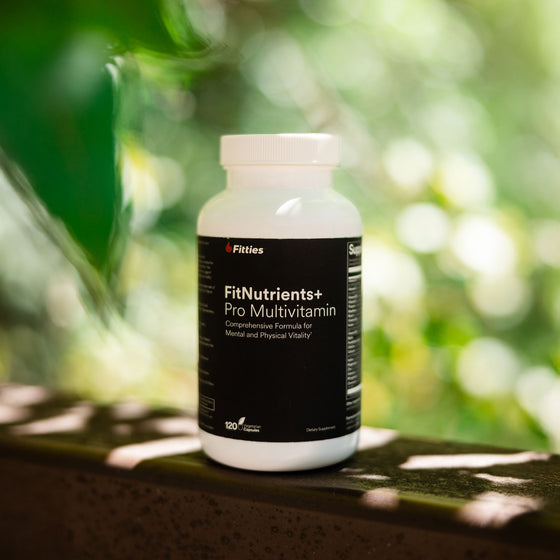
FitNutrients+
A premium multivitamin/mineral formula, four capsules a day, with metabolically active B vitamins such as methylcobalamin and methylfolate, 12.5 mcg (500 IU) of vitamin D3 and Albion mineral chelates. It contains no iron.
Shop FitNutrients+Calcium
Calcium is an essential mineral for women's health, supporting strong bones and teeth, nerve function, and muscle contraction. Women's bone density naturally declines with age, particularly after menopause, making adequate calcium intake especially important throughout life. Calcium works in partnership with vitamin D, which aids absorption, to support long-term bone health. The recommended daily intake of calcium for adult women is 1,000 mg per day for those aged 19-50 and 1,200 mg for women over 50.
Vitamin D
Vitamin D plays a vital role in calcium absorption, immune function, and mood regulation. Blood-level data from 2011 to 2014 put 5% of Americans at risk of vitamin D deficiency and 18% at risk of inadequacy, and people with darker skin or little sun exposure make less vitamin D from sunlight, according to the NIH Office of Dietary Supplements. Adequate vitamin D supports bone health, muscle function, and a healthy immune response. The recommended daily intake of vitamin D for women is 600-800 IU (15-20 mcg) per day, depending on age.
Iron
Iron is a vital nutrient for women, especially those of childbearing age, as it plays a crucial role in red blood cell production and oxygen transportation throughout the body. Women have higher iron needs due to blood loss during menstruation, and insufficient intake over time can lead to low iron stores and fatigue. Women with heavy menstrual bleeding, those following vegetarian or vegan diets, or those with a history of low iron levels may benefit from iron supplementation. Consult a healthcare professional to determine if iron supplementation is appropriate for you. The recommended daily intake of iron for adult women is 18 mg per day for those aged 19-50 and 8 mg for women over 50.
Folic Acid (Vitamin B9)
Folic acid, or vitamin B9, is essential for DNA synthesis and cell division, making it particularly important for pregnant women to support the healthy development of their baby. The CDC recommends adequate folic acid intake before conception and during early pregnancy to support healthy fetal development. The recommended daily intake of folic acid for adult women is 400 mcg per day, with an increased intake of 600 mcg per day during pregnancy. People with a common MTHFR gene variant can still process folic acid, and the CDC advises 400 mcg of folic acid a day for anyone who could become pregnant, even with that variant.
B Vitamins
B vitamins, including B6, B12, and riboflavin (B2), play crucial roles in energy production, red blood cell formation, and nerve function. They are also essential for maintaining healthy skin, hair, and nails, and play a role in supporting mood and energy levels. Women who follow a vegetarian or vegan diet may be at risk of B12 deficiency, as this vitamin is primarily found in animal products, according to the NIH Office of Dietary Supplements.
Omega-3 Fatty Acids
Omega-3 fatty acids, particularly EPA and DHA, support cardiovascular health, brain function, and a healthy inflammatory response. Women who do not consume enough oily fish in their diet should consider supplementing with a high-quality fish oil or algae-based omega-3 supplement. Including at least two servings of fatty fish per week, with a combined EPA and DHA intake of 500 mg per day, is a widely referenced guideline for healthy adults.
Probiotics
Probiotics are beneficial bacteria that support gut health, digestion, and immune function. A healthy balance of gut bacteria is essential for overall health and well-being. It’s important to choose a high-quality probiotic supplement with clinically-studied strains and an appropriate potency for your needs.
Magnesium
Magnesium is a cofactor in more than 300 enzyme systems in the body, including those for muscle and nerve function and blood pressure regulation, according to the NIH Office of Dietary Supplements. About half of US women take in less magnesium than their estimated average requirement from food and drinks (USDA survey data, 2017 to March 2020). The recommended amount of magnesium for adult women is 310 to 320 mg a day, and 350 to 360 mg during pregnancy, according to the NIH Office of Dietary Supplements. If you're not meeting this recommendation, supplementing with a high-quality magnesium supplement like FitNeuro is one option.
Coenzyme Q10 (CoQ10)
Coenzyme Q10 (CoQ10) is an antioxidant that supports cellular energy production and cardiovascular function. As a key component of the mitochondrial energy cycle, CoQ10 plays a role in every cell in the body. The body's natural production of CoQ10 declines with age, making supplementation worth considering, particularly for women over 40. The typical dosage for CoQ10 supplements ranges from 100-200 mg per day.
Vitamin C
Vitamin C is an essential nutrient for the immune system, skin health, and collagen production. It also acts as an antioxidant, helping to protect cells from oxidative stress. Women who smoke, are pregnant, or breastfeeding may require additional vitamin C. The recommended daily intake of vitamin C for adult women is 75 mg per day, with an increased intake of 85 mg during pregnancy and 120 mg while breastfeeding.
Ch-OSA and Biotin
Choline-stabilized orthosilicic acid (ch-OSA®) is a bioavailable form of silicon that has been tested in a small placebo-controlled trial. In 50 women with sun-damaged facial skin, 20 weeks of ch-OSA improved skin roughness versus placebo, and hair and nail brittleness scores fell from baseline (Barel et al., 2005). It works by stimulating collagen production and supporting the structural integrity of connective tissues. Biotin, also known as vitamin B7, is essential for healthy hair, skin, and nails. FitRenew pairs the two. Each capsule provides 5 mg of silicon and 100 mg of choline as ch-OSA, plus 5,000 mcg of biotin.
Conclusion
Supplements can play a significant role in supporting women’s health by providing essential nutrients and vitamins tailored to their unique needs. It’s important to choose high-quality supplements, consult with a healthcare professional before starting any new supplement regimen, and maintain a well-balanced diet for optimal health and well-being.
FitNutrients+
A premium multivitamin/mineral formula, four capsules a day, with metabolically active B vitamins such as methylcobalamin and methylfolate, 12.5 mcg (500 IU) of vitamin D3 and Albion mineral chelates. It contains no iron.
Shop FitNutrients+