The Fitties Journal
Whey Isolate vs Concentrate: Which Is Better for You?
Key Takeaways
Here's what matters most if you're short on time.
- Whey concentrate is about 70 to 80% protein; whey isolate is filtered further to around 90% or more.
- Isolate has less lactose, carbs, and fat; concentrate is more affordable and keeps more of whey's natural compounds.
- When total daily protein is matched, both build muscle about the same.
- Choose isolate for strict cutting or lactose sensitivity; choose concentrate for value, taste, and everyday use.
- Hydrolyzed whey absorbs fastest but costs the most and rarely matters for the average lifter.
Whey isolate and whey concentrate come from the same milk. The difference is how far each one is filtered. Whey concentrate is the less processed form. Sports products generally use concentrates that are 70 to 80% protein by weight, according to the International Society of Sports Nutrition (Jäger et al., 2017), so more of each scoop is the lactose and fat that further filtering removes. Whey isolate is filtered further, to more than 90% protein (Jäger et al., 2017), which strips out more of the lactose and fat, and it usually costs more. For building muscle, the gap between them is smaller than the marketing suggests. Hit your daily protein target and both do the job, since the specifics of a protein supplement, source included, play a minor role next to total daily intake (Morton et al., 2018). Choose isolate if you are cutting hard, counting every carb, or sensitive to lactose. Choose concentrate for better value, a creamier shake, and the natural compounds that heavy filtering removes.
Here is the full breakdown, including where the third type (hydrolysate) fits, so you can pick the right one instead of paying for a label claim you do not need.
What is the difference between whey isolate and concentrate?
Whey starts as a liquid byproduct of cheesemaking, and the thicker, slower-digesting protein that stays behind is casein, which we compare in whey versus casein. From there, it gets filtered, and how much it gets filtered is the entire difference between concentrate and isolate.
Whey concentrate is the first stop. The liquid whey is filtered and dried into a powder that is about 70 to 80% protein by weight, according to the International Society of Sports Nutrition's position stand on protein (Jäger et al., 2017). Devries and Phillips rate whey among the highest-quality proteins for its essential amino acid content and rapid digestion. The rest is naturally occurring lactose, fats, minerals, and bioactive fractions like immunoglobulins. Less processing means it holds onto more of what is in whole whey.
Whey isolate goes through extra filtering, most often ion exchange or microfiltration, that pushes the protein above 90% and separates out more of the lactose and fat, according to the same position stand (Jäger et al., 2017). You get a purer, leaner protein, and you pay more for the extra processing step.
Whey hydrolysate is the third type. It is isolate or concentrate that has been partially broken down ('pre-digested') for faster absorption. More on whether that is worth it below.
The mainstream supplement aisle loves to sell 'purity' as the whole story. It is one attribute, not the scoreboard. What actually matters is protein per serving, how your gut handles it, taste, and price.
FitWhey+
FitWhey+ is grass-fed New Zealand whey protein concentrate with its natural immunoglobulins. It has 21g of protein and 0g added sugar per serving, sweetened with monk fruit, with no soy protein or artificial sweeteners. Inulin fiber from chicory root and fungal proteases (Aminogen) round it out.
Shop FitWhey+Whey isolate vs concentrate: side-by-side comparison
This is the fast version. The protein percentages follow the International Society of Sports Nutrition's protein position stand, which puts the concentrates used in sports nutrition products at 70 to 80% protein and isolates above 90% (Jäger et al., 2017). The other rows are typical patterns, not fixed values, because every brand formulates differently.
| Attribute | Whey Isolate | Whey Concentrate |
|---|---|---|
| Protein by weight | ~90% or higher | ~70 to 80% |
| Lactose | Very low to near zero | Low, but more than isolate |
| Carbs and fat | Minimal | Slightly higher |
| Natural whey compounds | Mostly filtered out | More retained (e.g. immunoglobulins) |
| Taste and texture | Lighter, thinner | Creamier, richer |
| Price per serving | Higher | More affordable |
| Best for | Strict cutting, low carb, lactose sensitivity | Value, taste, everyday protein, keeping whey's natural compounds |
Does whey isolate build more muscle than concentrate?
No. This is the part the 'purest protein' marketing quietly skips. When your total daily protein is matched, whey isolate and whey concentrate build muscle about the same.
The biggest meta-analysis on the subject, published in the British Journal of Sports Medicine, pooled 49 studies and found that total daily protein intake was the dominant factor in resistance-training gains, with benefits leveling off around 1.6 grams per kilogram of bodyweight per day (Morton et al., 2018). Protein source and timing were minor factors next to simply getting enough. Both isolate and concentrate are complete proteins with all nine essential amino acids and a strong dose of leucine, the amino acid that flips on muscle protein synthesis (Jäger et al., 2017).
The practical takeaway is that a slightly higher protein percentage per scoop does not translate into more muscle if you were already hitting your target. A concentrate that gets you to your daily number will match an isolate that does the same. If you want the full picture on daily targets, see our guide on how much protein you actually need.
Is whey concentrate harder to digest?
For most people, no. Concentrate contains more lactose than isolate, but the amount per serving is still small, and plenty of people who avoid milk handle it fine. If you are genuinely lactose intolerant, isolate's near-zero lactose is the safer bet. Most people with lactose intolerance can handle some lactose, and how much varies from person to person (NIDDK, National Institutes of Health). Some formulas also add digestive enzymes.
One important distinction is that lactose intolerance and a milk allergy are not the same thing. A true milk allergy means you should avoid all whey, isolate and concentrate alike, because both are dairy. If dairy in any form is a problem for you, a plant protein is the smarter route.
What about hydrolyzed whey?
Hydrolyzed whey (whey hydrolysate) is isolate or concentrate that has been enzymatically broken into smaller peptides, so it absorbs faster. It is the most processed and the most expensive of the three, and it tends to taste more bitter.
Is it worth it? For the average lifter, not really. The faster absorption looks good on a spec sheet, but total daily protein still drives the result (Morton et al., 2018). Hydrolysate makes the most sense in niche situations, like back-to-back sessions where fast recovery matters. In one small trial in sedentary men, 25 g of hydrolyzed whey isolate restored muscle force within six hours of damaging exercise, while the same isolate unhydrolyzed did not (Buckley et al., 2010). Most people are better off putting that money toward more total protein or a concentrate that actually tastes good enough to drink every day.
Which whey protein should you choose?
Match the type to your goal, not to whichever label shouts 'isolate' the loudest.
Choose whey isolate if you are in a strict cut, tracking carbs and fat down to the gram, or sensitive to lactose. That extra filtering earns its price when calories are tight or dairy sugar is an issue. Before you assume the type is what matters, though, it is worth knowing what a scoop actually costs you in calories, because for most people the answer is less than they expect.
Choose whey concentrate if you want the best protein-per-dollar, a shake that actually tastes good, and the natural compounds that heavy processing removes. For everyday training fuel, a quality concentrate is the value pick, and 'value' here does not mean 'cheap commodity powder drowned in artificial sweetener.'
That last part is where most of the aisle falls down. The mainstream move is to start with the cheapest commodity whey and bury the taste under sucralose. A concentrate is only as good as the whey it starts from. FitWhey+ starts with grass-fed, rBST/rBGH hormone-free whey protein concentrate from New Zealand, with its natural immunoglobulins, and delivers 21 grams of protein per serving with 0 grams of added sugar, sweetened with monk fruit instead of stevia or artificial sweeteners, and no soy protein. It also folds in inulin fiber from chicory root and fungal proteases (Aminogen®). It is the premium end of what a concentrate can be, which is the whole point of buying one. For the bigger question of whether the grass-fed premium earns its price, see our guide to grass-fed whey protein.
A quick safety note
Whey is a dairy protein, so it is not suitable if you have a milk allergy. Protein powder is a supplement to a balanced diet, not a replacement for medical guidance. The FitWhey+ label warns that very low calorie protein diets (below 400 calories per day) may cause serious illness or death and that it should not be used for weight reduction in such diets without medical supervision. It is not for use by infants, children, or pregnant or nursing women. If you take medication or have a health condition, talk to your healthcare provider before adding any new supplement.
The bottom line
Whey isolate is more filtered, leaner, and pricier. Whey concentrate is less processed, more affordable, and keeps more of whey's natural compounds. Neither wins on muscle when your total protein is matched, so the real decision comes down to your diet, your gut, your taste buds, and your budget. Pick the one that fits, buy a version that starts from good whey, and get to your daily protein target. That is the part that actually moves the needle. And once a tub is in your cupboard, keep it fresh by knowing how long protein powder lasts and how to store it.
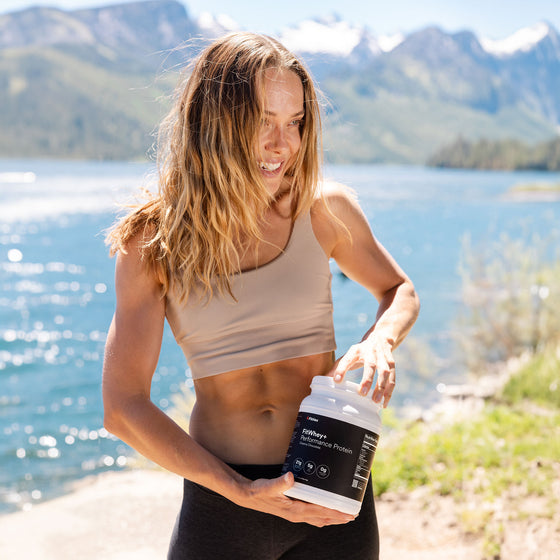
FitWhey+
FitWhey+ is grass-fed New Zealand whey protein concentrate with its natural immunoglobulins. It has 21g of protein and 0g added sugar per serving, sweetened with monk fruit, with no soy protein or artificial sweeteners. Inulin fiber from chicory root and fungal proteases (Aminogen) round it out.
Shop FitWhey+